FRI, OCT 17, 2025
On the First Week:
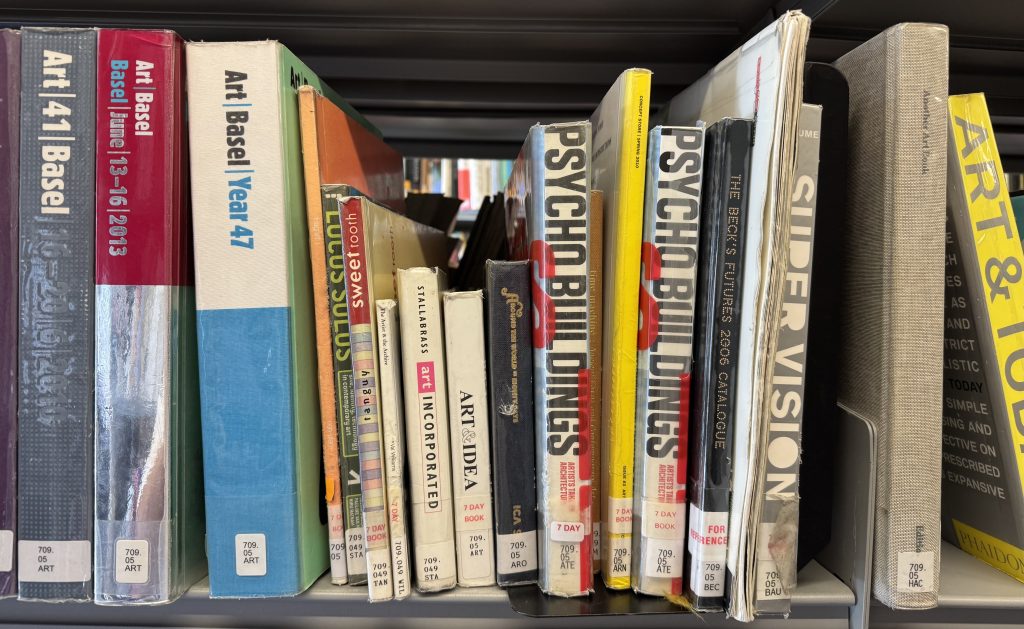
In this project, I chose to work with ten consecutive books from the CSM Library shelf.
Instead of focusing on the text or content, I became interested in the human traces left on these books — folds, stains, annotations, fingerprints, inserted objects, and even untouched blank pages.
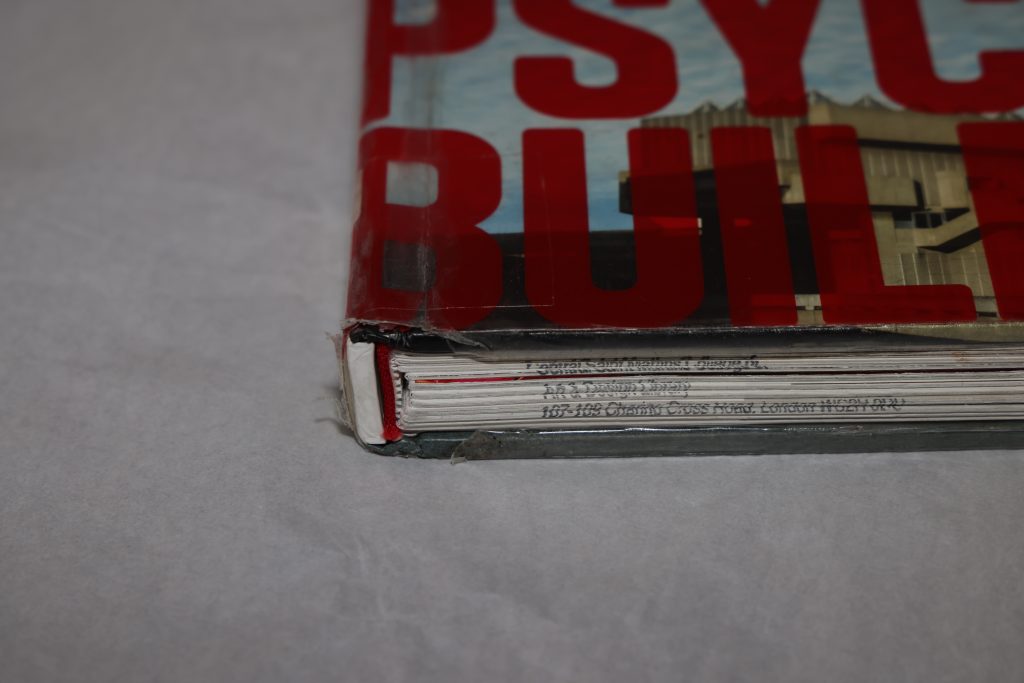
At first, I was unsure how to define “cataloguing.”
During the briefing, I realised that a catalogue is not only about classification, but also about understanding the relationships between things.
So, I decided to explore how the traces of human reading could be organised, read, and reinterpreted through different cataloguing methods.
I started photographing the books one by one — scanning the cover, spine, first page, tenth page, index, and the edges of paper.
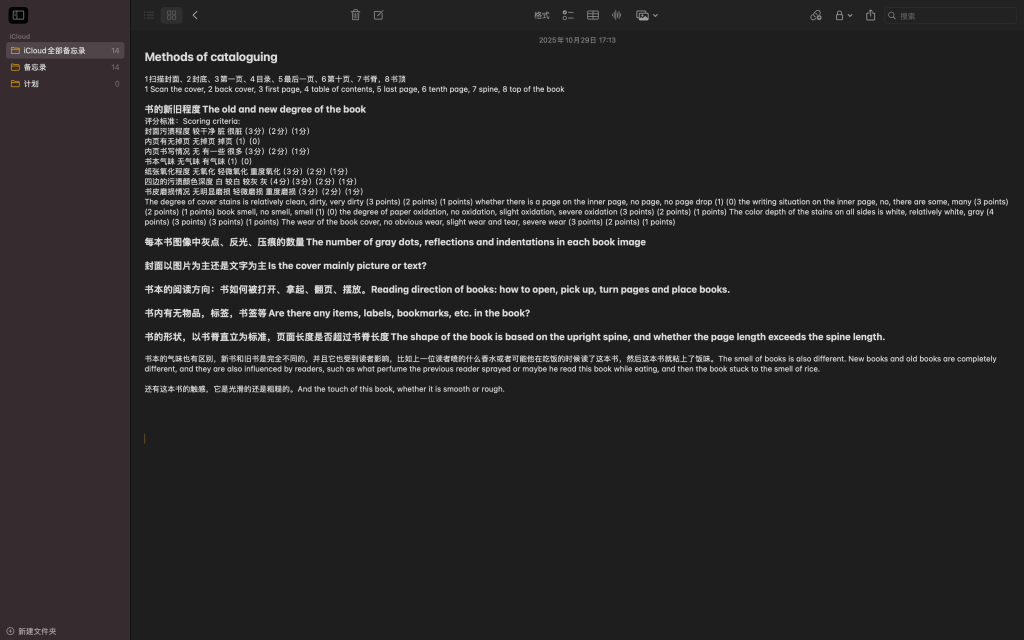
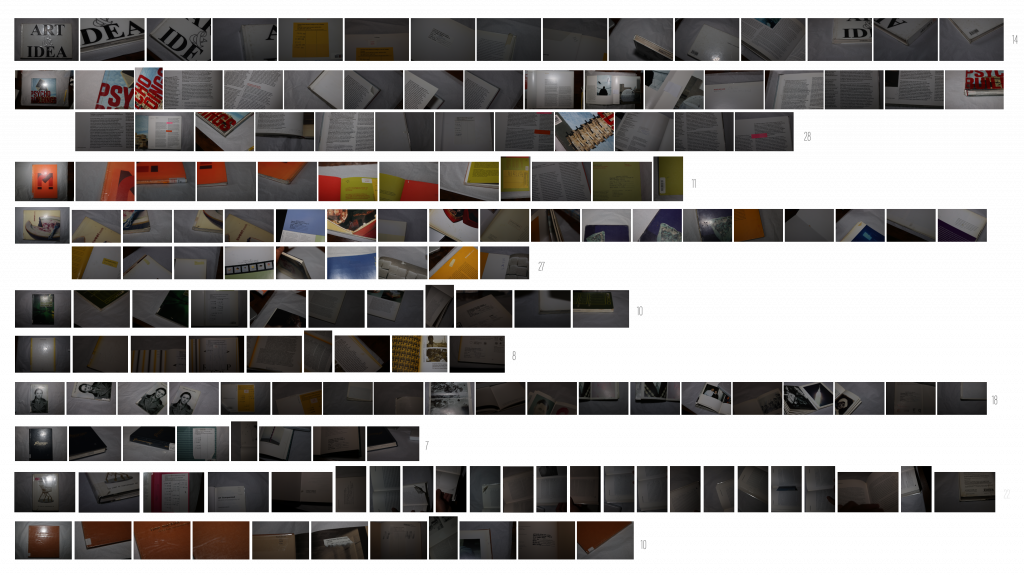
Through these images, I noticed subtle differences: some books were clean, some were heavily marked, and some even carried faint smells or worn textures.
Each book became a small record of human presence.
What I Found Interesting:
While comparing the images, I found that every mark carried a story.
Some folds looked like a pause in reading;
some stains revealed someone’s coffee habit;
some pencil lines felt like quiet conversations between the reader and the author.
I started to think of these traces as a hidden system — a catalogue made not by librarians, but by readers’ gestures.
It made me ask: Can we read the history of human touch through these accidental marks?
The Feedback:
During the tutorial, my tutor suggested that I should go beyond documentation and think about how to translate these traces into systems or visual languages.
The advice was to:
- Create a clear typological structure (classification by type and condition);
- Try to assign visual or emotional meaning to each mark;
- Use different cataloguing approaches (scientific, narrative, conceptual).
Reflection:
Through this week’s experiment, I realised that cataloguing can be more than an archival method.
It can be a creative language to describe how people interact with objects,
and how time leaves evidence on materials.
My next step is to develop these ideas into three cataloguing systems from order, to meaning, to time and see how the invisible traces of reading can be made visible again.
To Do Next Week:
Continue photographing all ten books consistently (same lighting and framing).
Start building a Typological Catalogue — classifying the traces by physical type and condition.
Experiment with a Narrative Catalogue — short texts or captions that imagine the stories behind each mark.
Begin exploring Layered Catalogue — overlapping traces to visualise collective rhythm and memory.
Comments