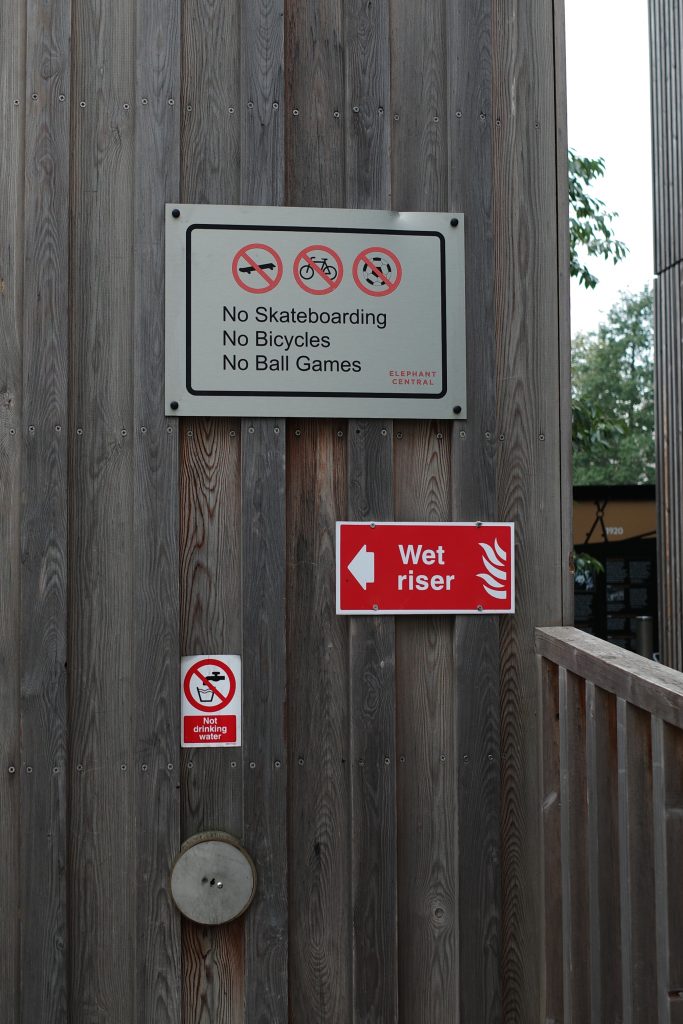
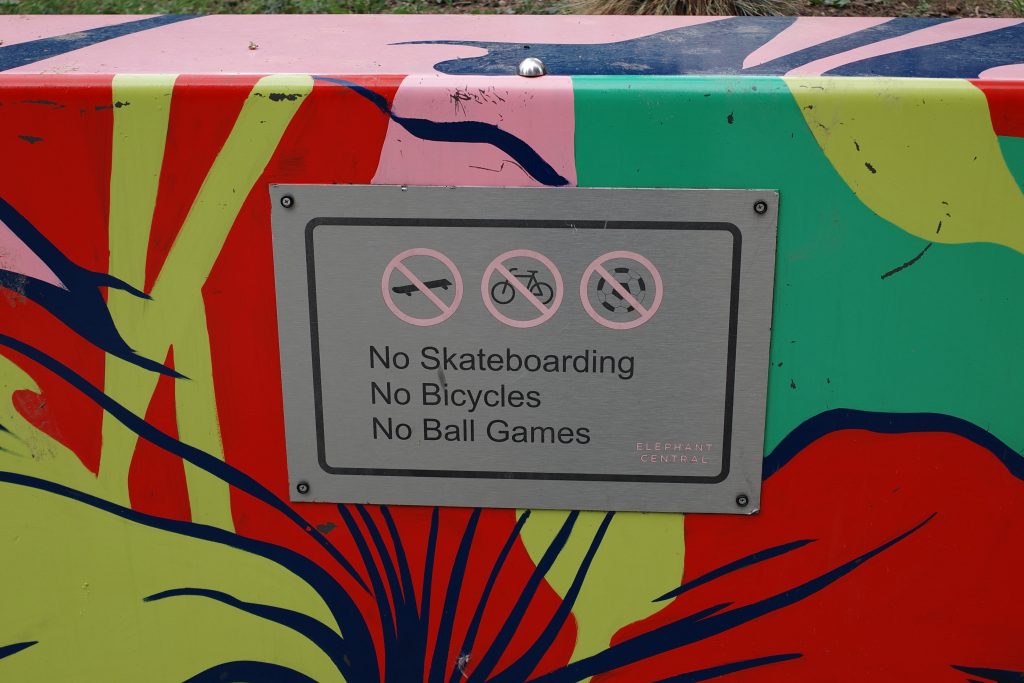
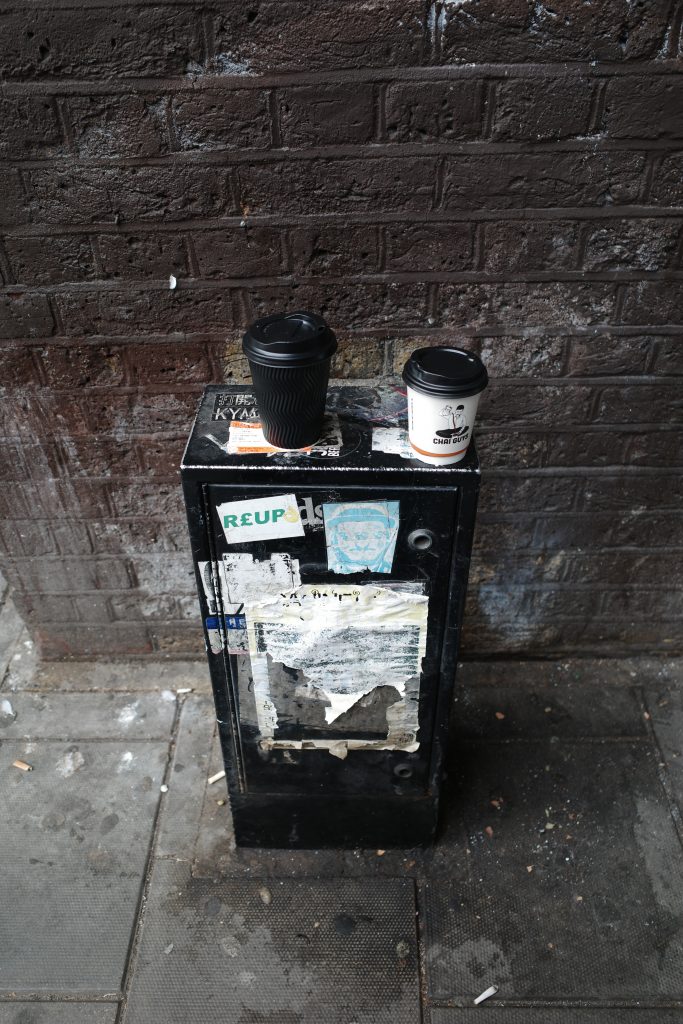
Author: Minhang Han

  • Unit 1: Methods of Investigation / week 003


    FRI, OCT 10, 2025

    On The Third Week:

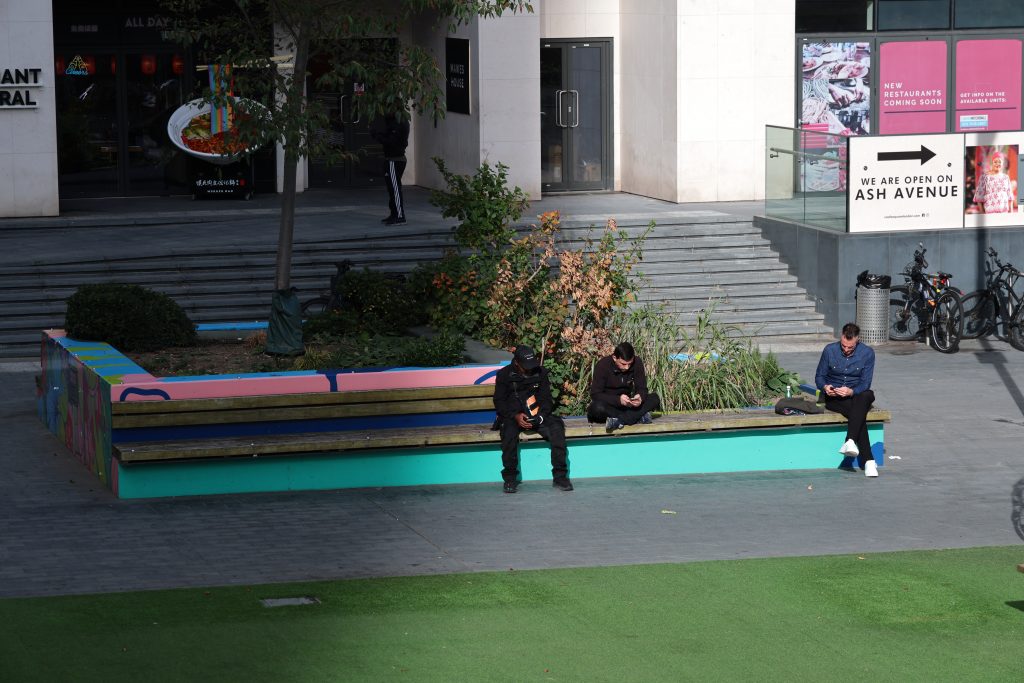
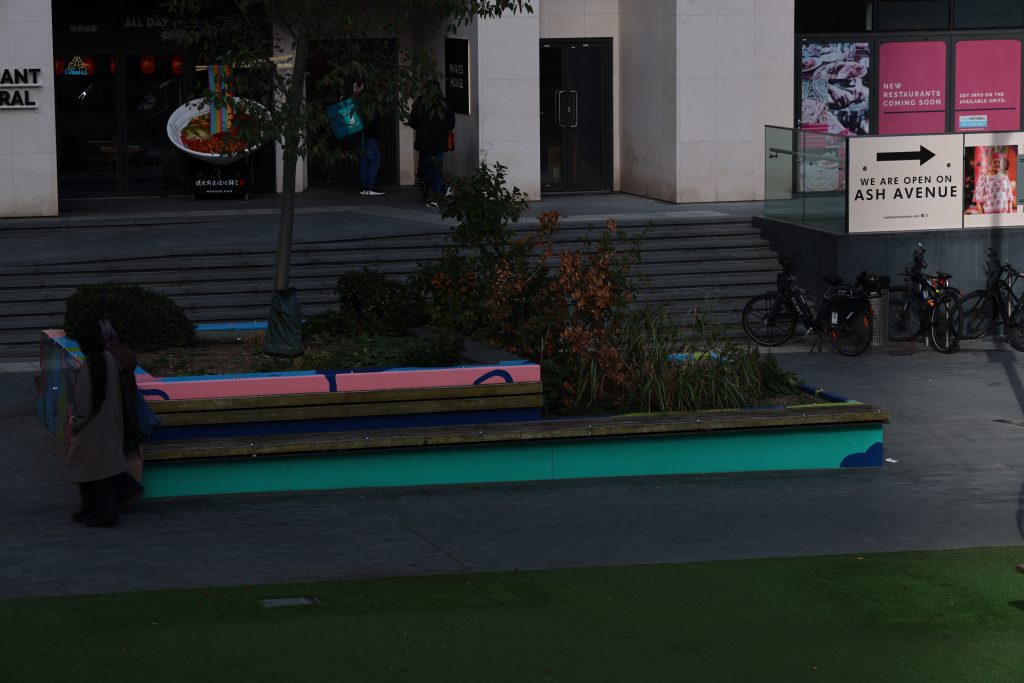
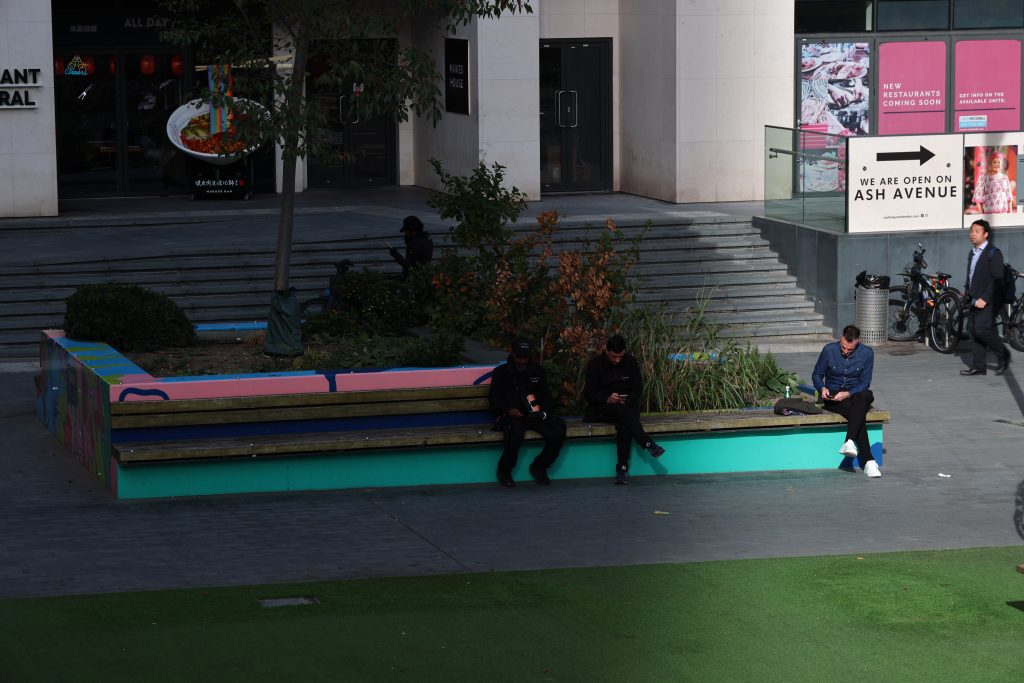
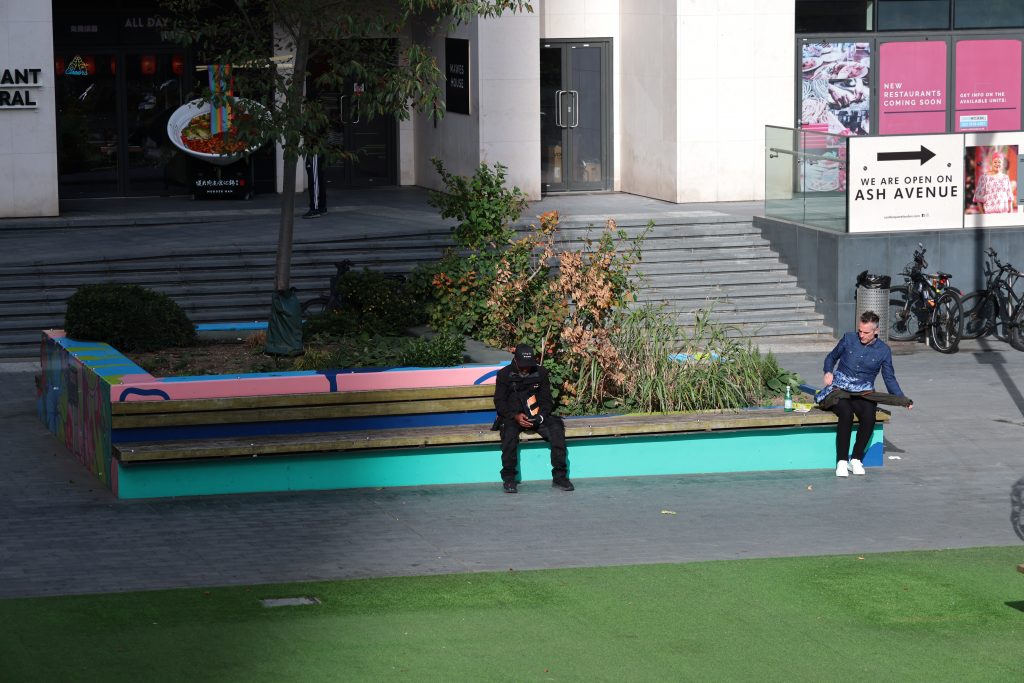
    In the third week, I started transforming my photographs into moving images.
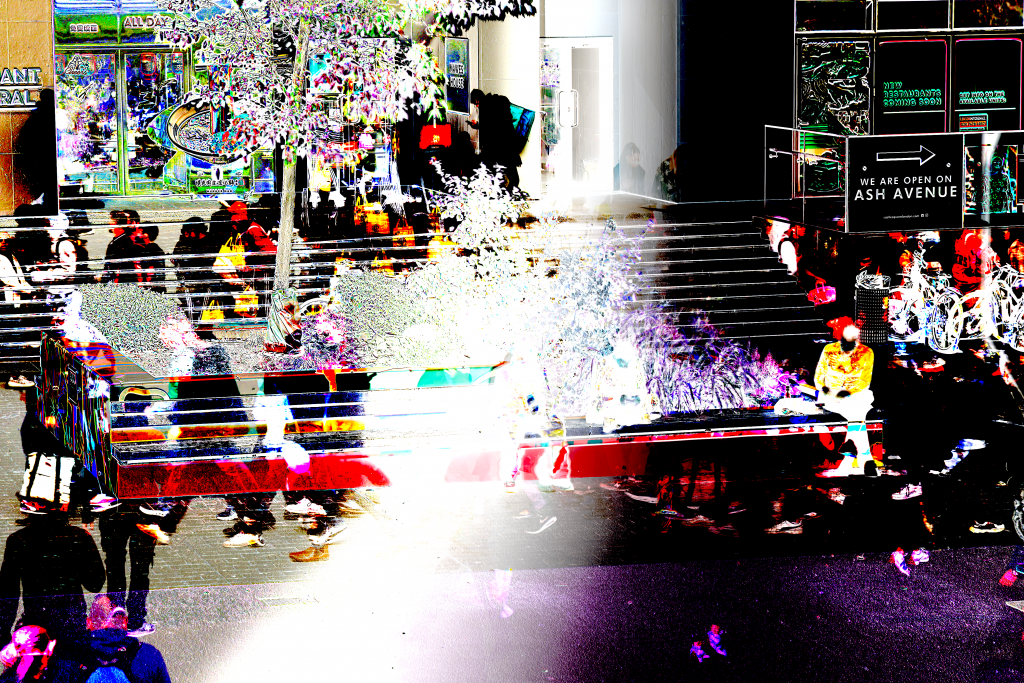
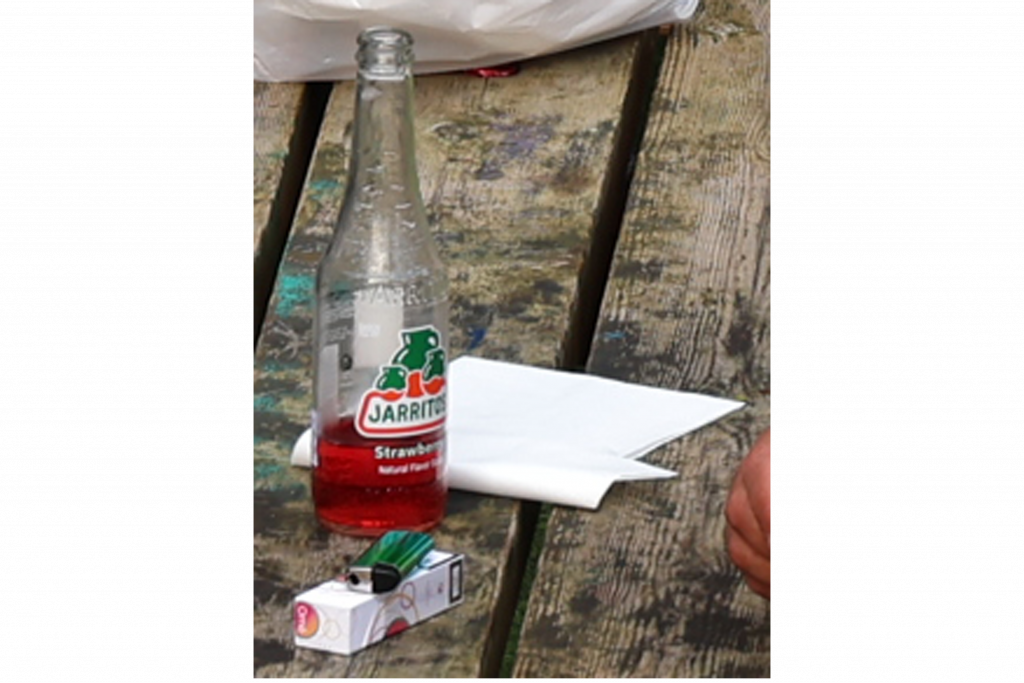
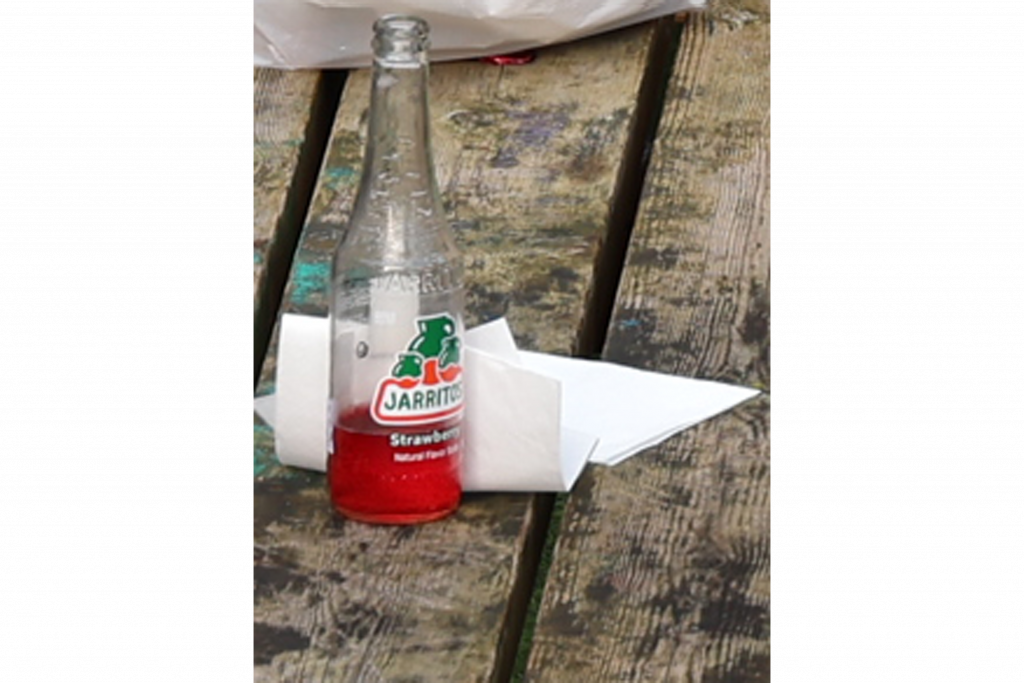
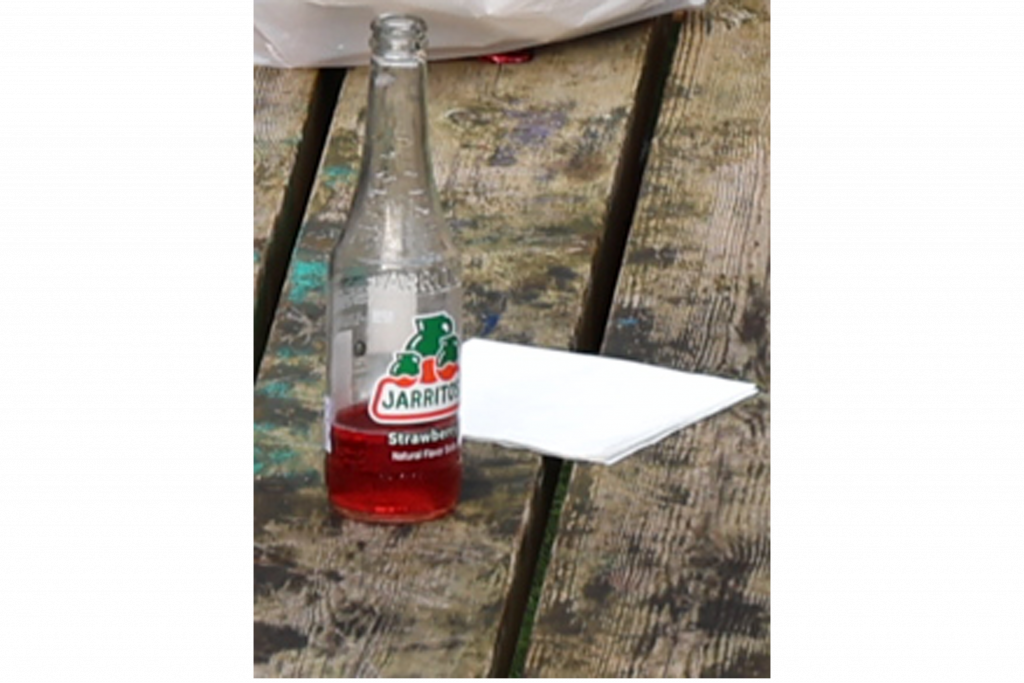
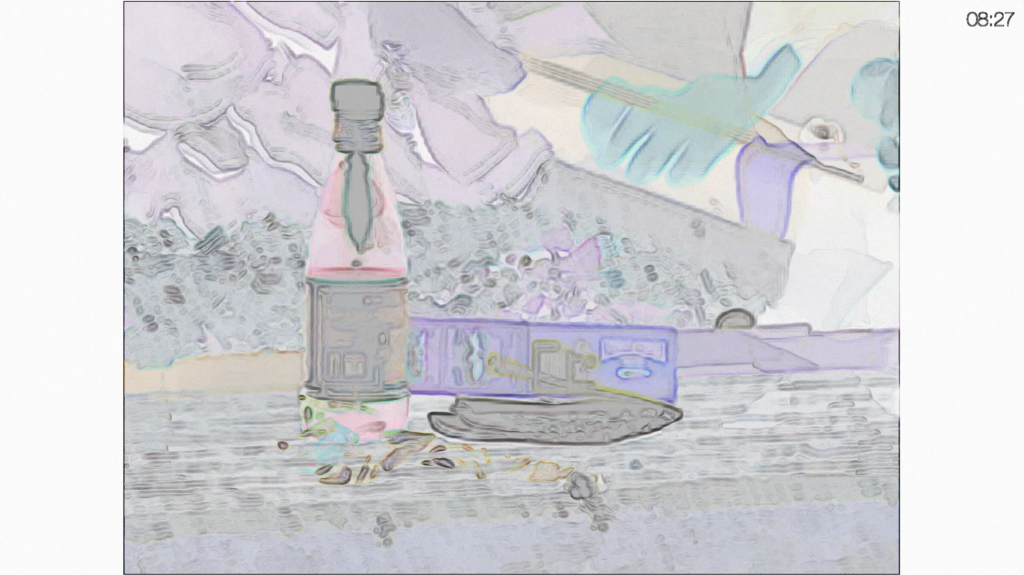
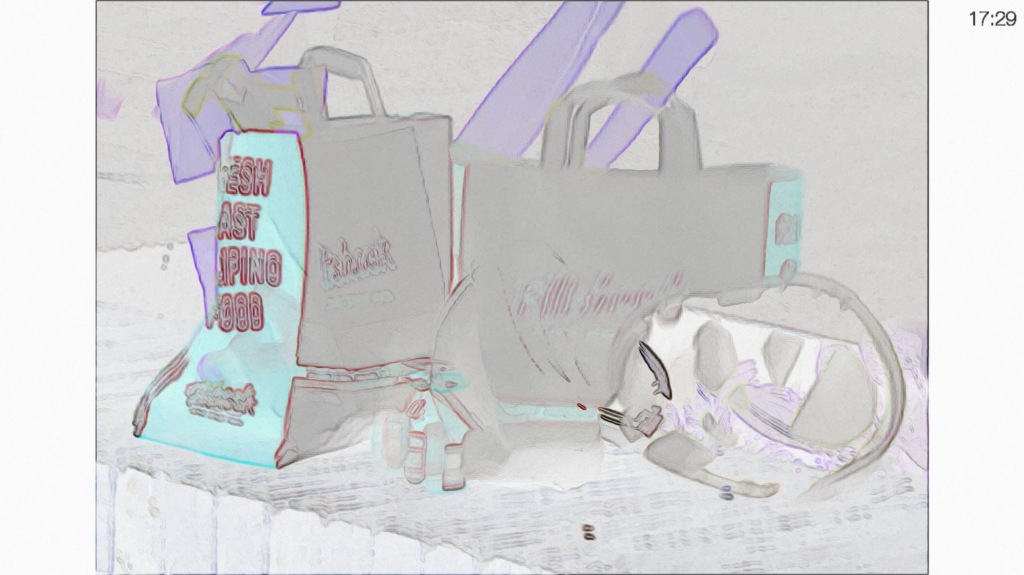
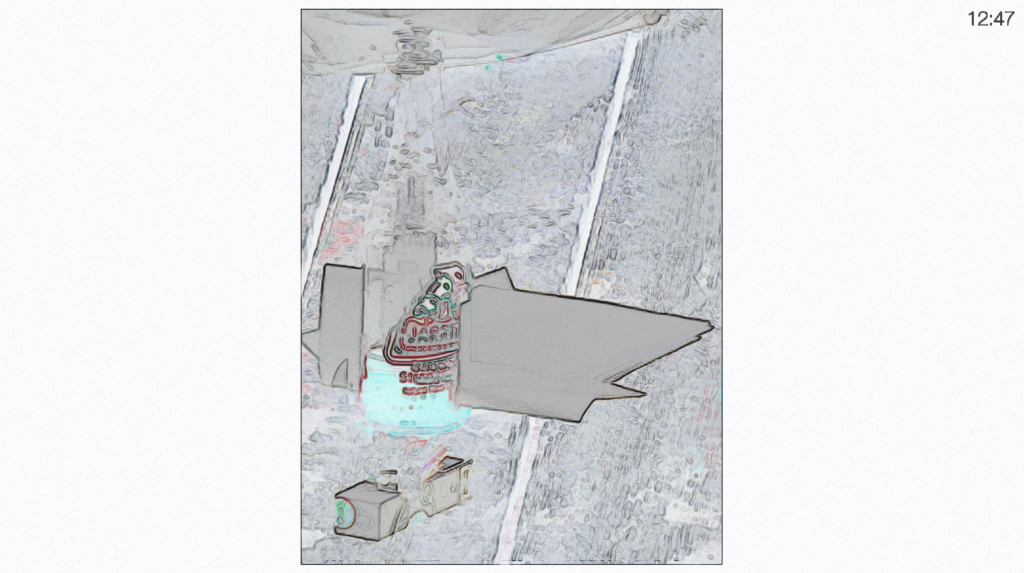
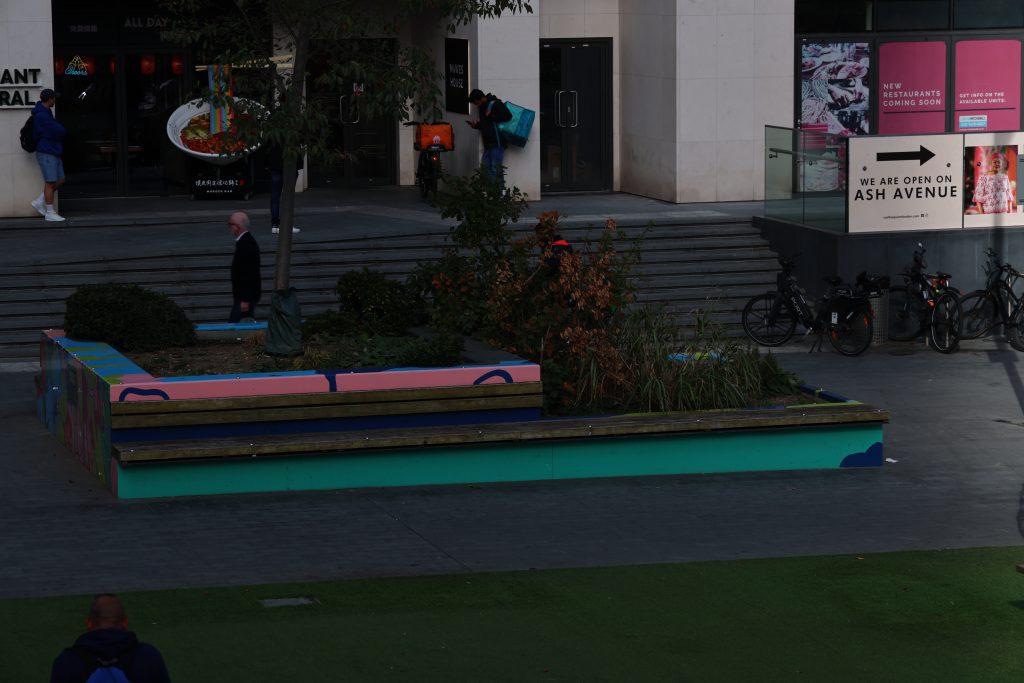
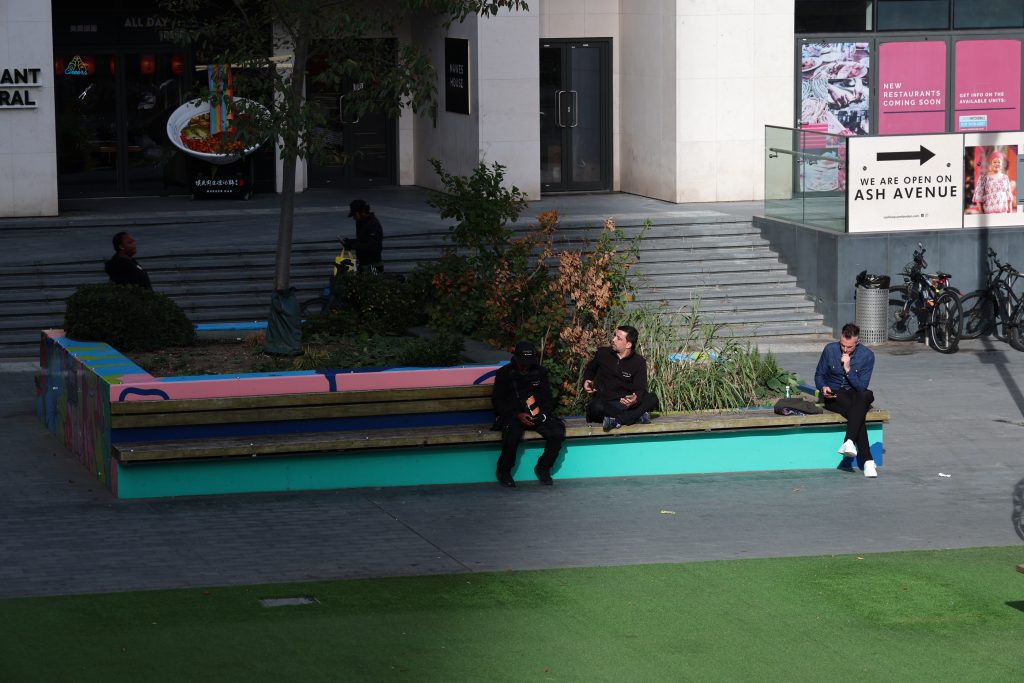
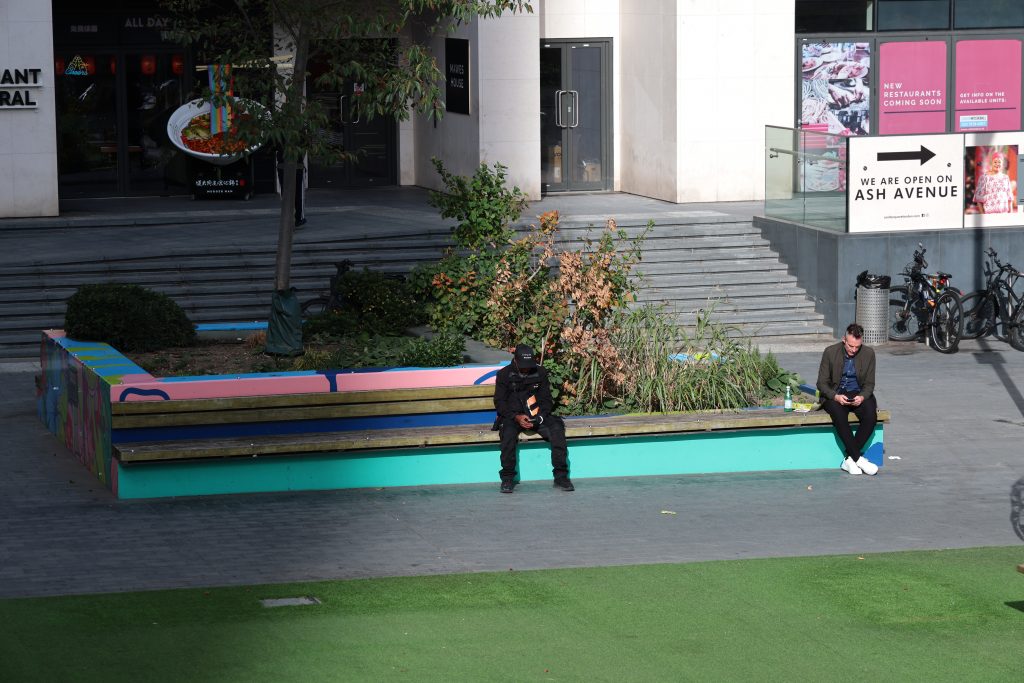
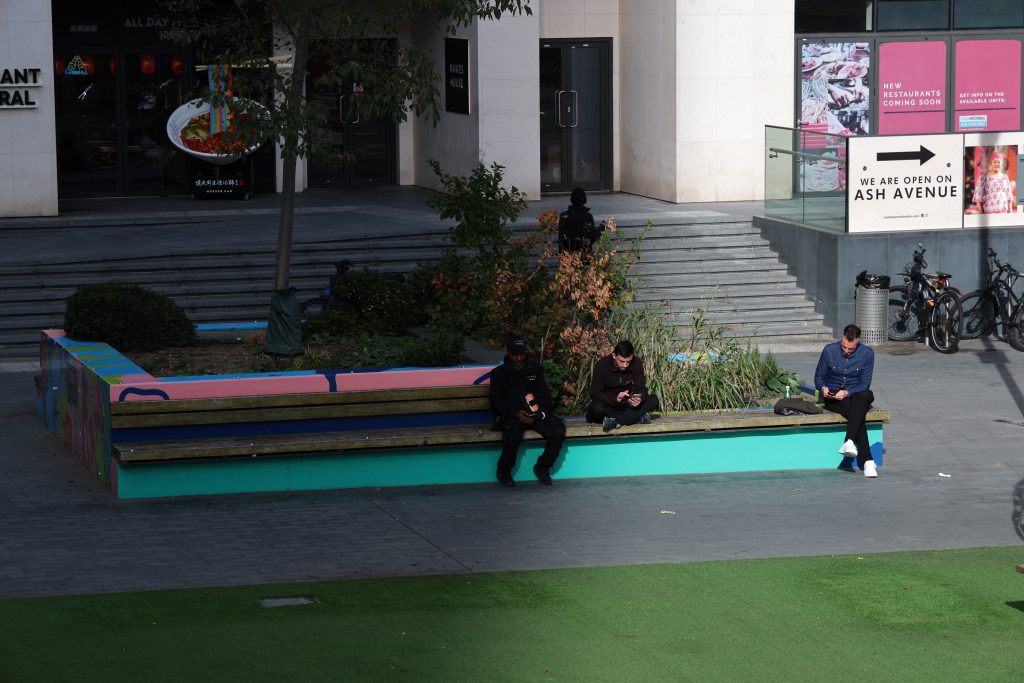
    By stacking multiple shots of the same bench and overlaying them with different opacities, I created a sense of temporal layering — a single image that holds many moments at once.
    The result was both abstract and familiar: traces of people, objects, and light merged into something almost alive.

    Some of the images contained visual “errors” — overexposed areas, duplicated forms, or ghost-like outlines.
    Rather than correcting them, I decided to keep these glitches.
    They reminded me that time is never perfectly captured; photography, like memory, always leaves distortions.
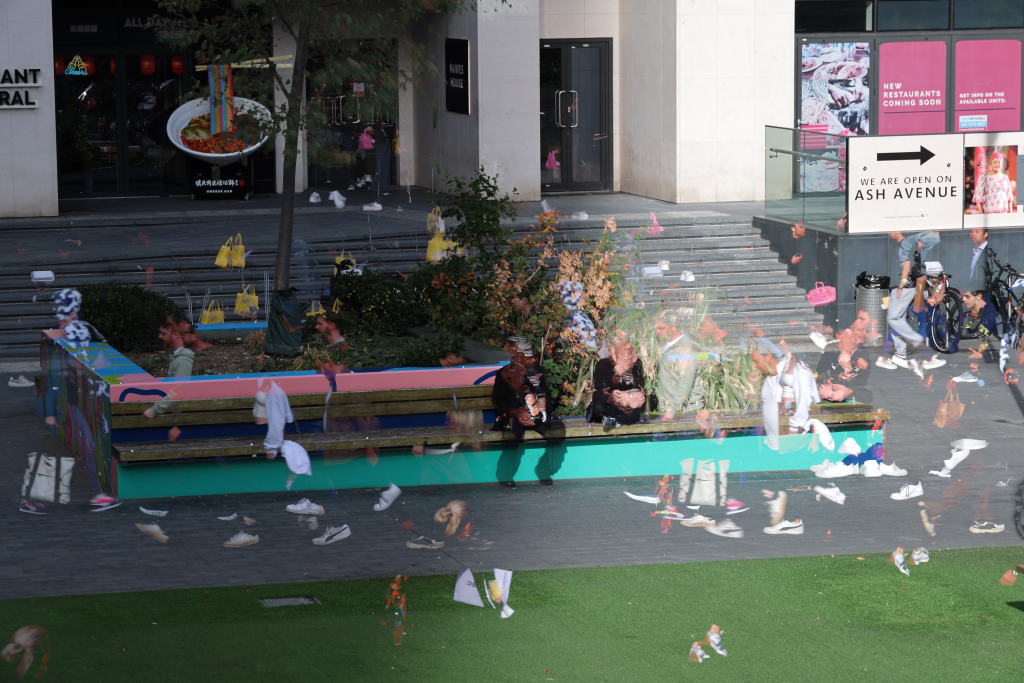
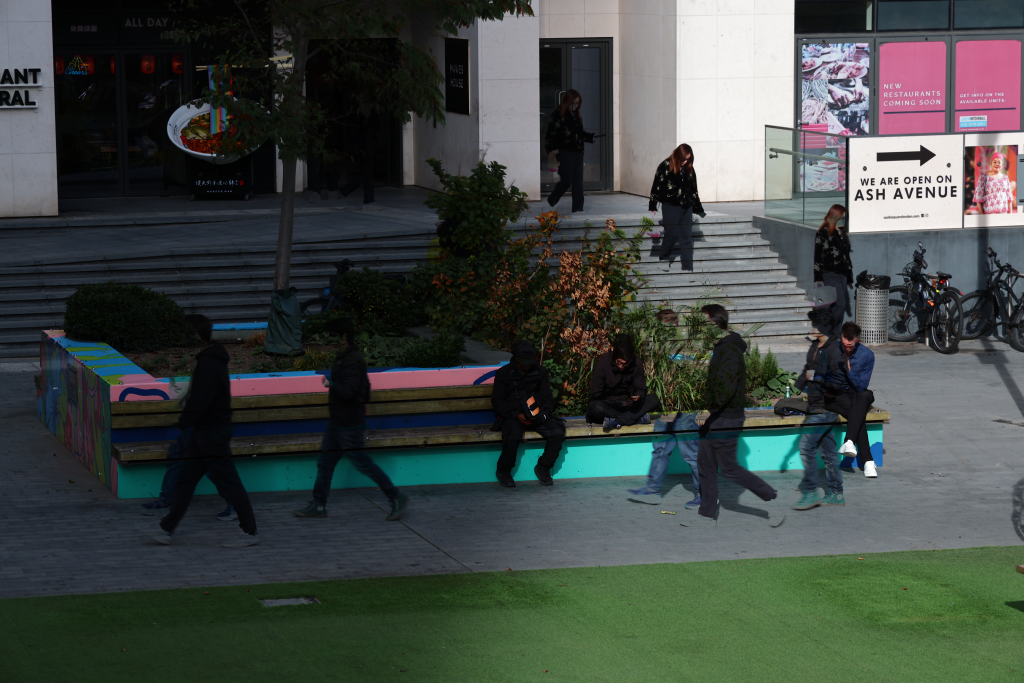
    During the tutorial, my tutor mentioned that this “glitchy” aesthetic could be developed further — not just as an accident, but as a visual language.
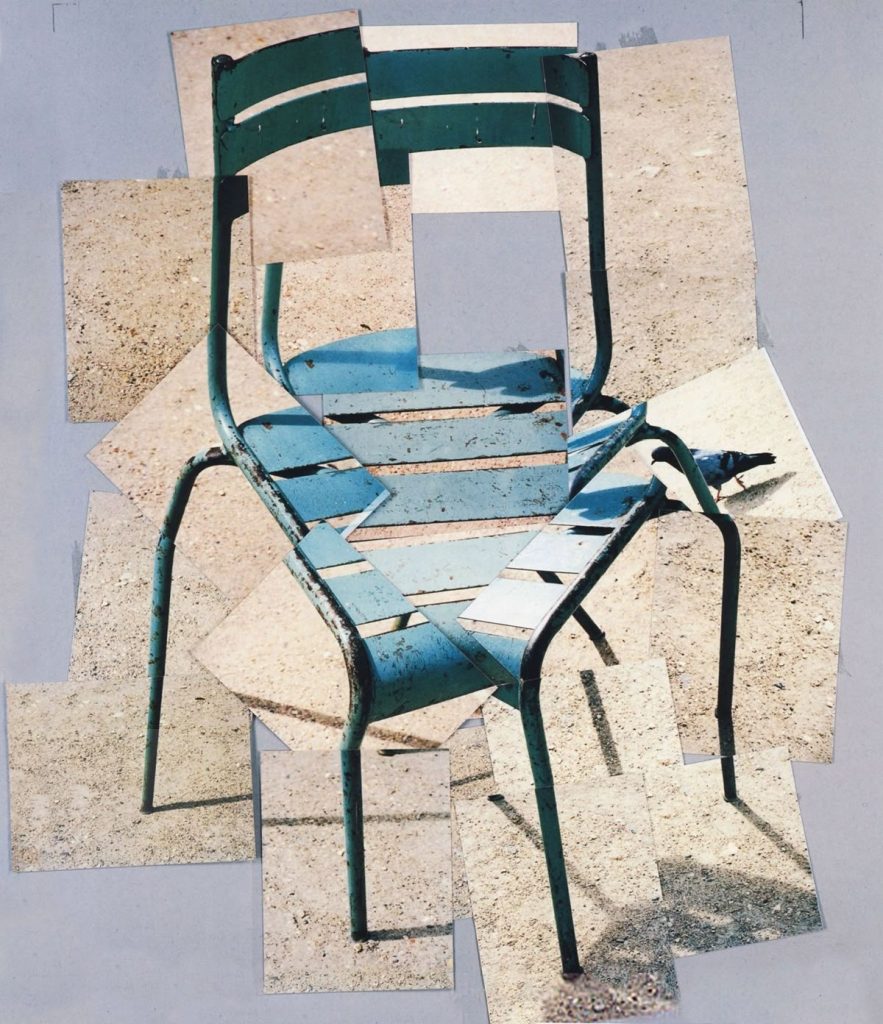
    They also referenced David Hockney’s photographic collages, which combine multiple perspectives of the same scene.
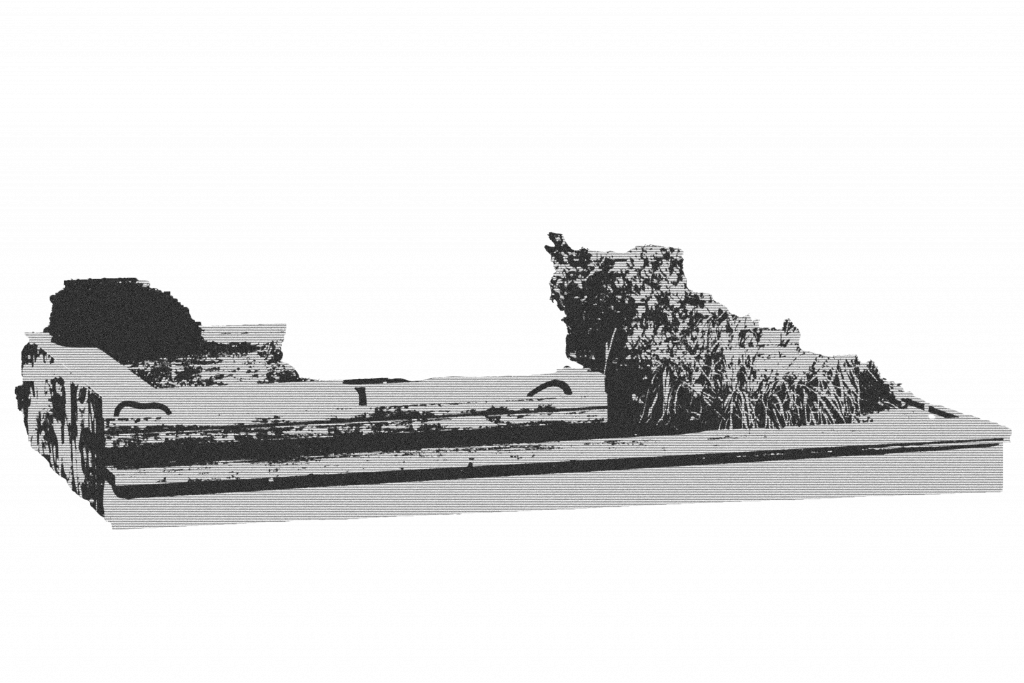
    This inspired me to think beyond time and start exploring space — what if I recorded the same object from different angles, or created a 360° record of the bench and its traces?
    This week made me realize that visual experimentation is not just about technique, but about discovering new ways to represent perception and time.
    The “errors” and overlaps in my images became tools for thinking — ways of visualizing how memory, rhythm, and space interact.

    I also started to see the bench not just as an object, but as a site of accumulation — of people, weather, and time itself.
    Through these experiments, I’m beginning to understand how observation can become creation.

    Next, I will explore how to combine still images and motion together — possibly through short loops or layered compositions — to evoke the feeling of time moving within stillness.
    This will lead into my final reflection and written response.
  • Unit 1: Methods of Investigation / week 002


    FRI, SEP 26, 2025

    On The Second Week:

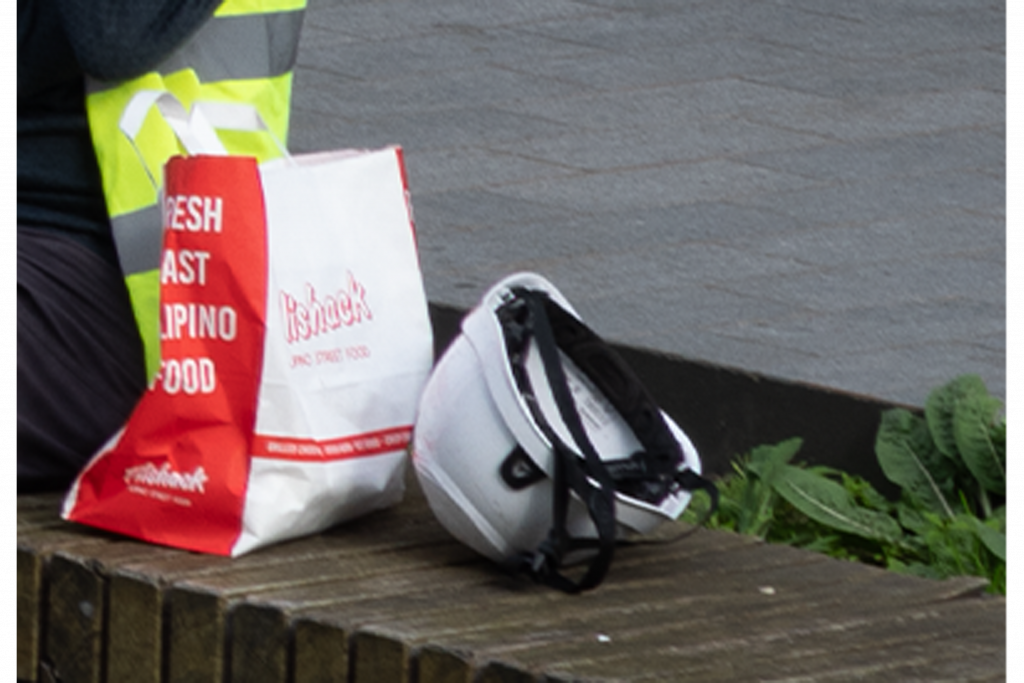
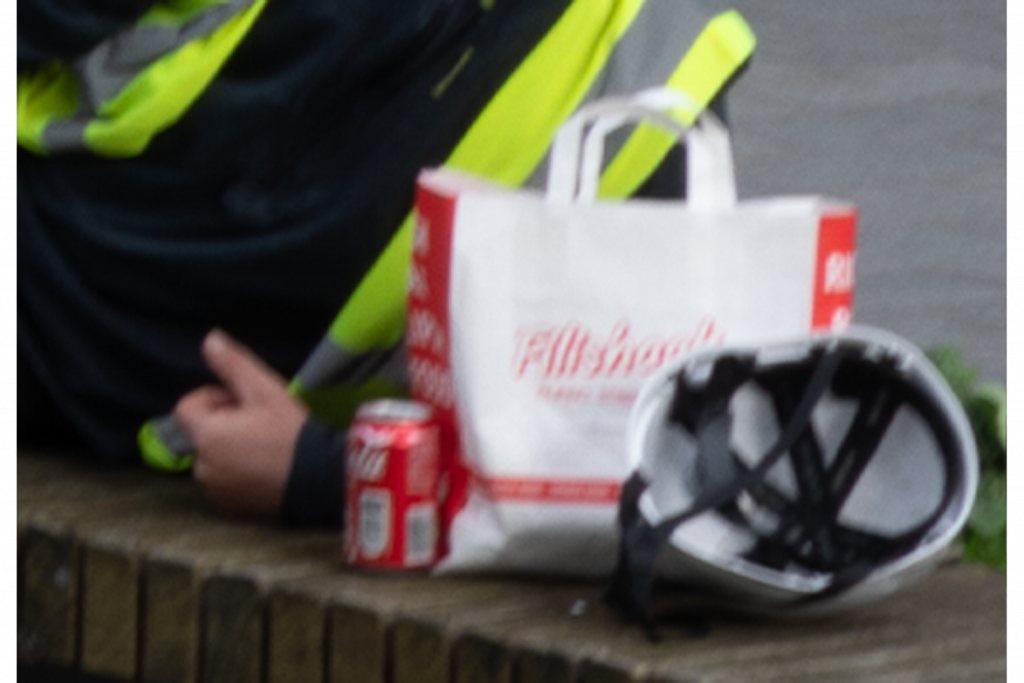
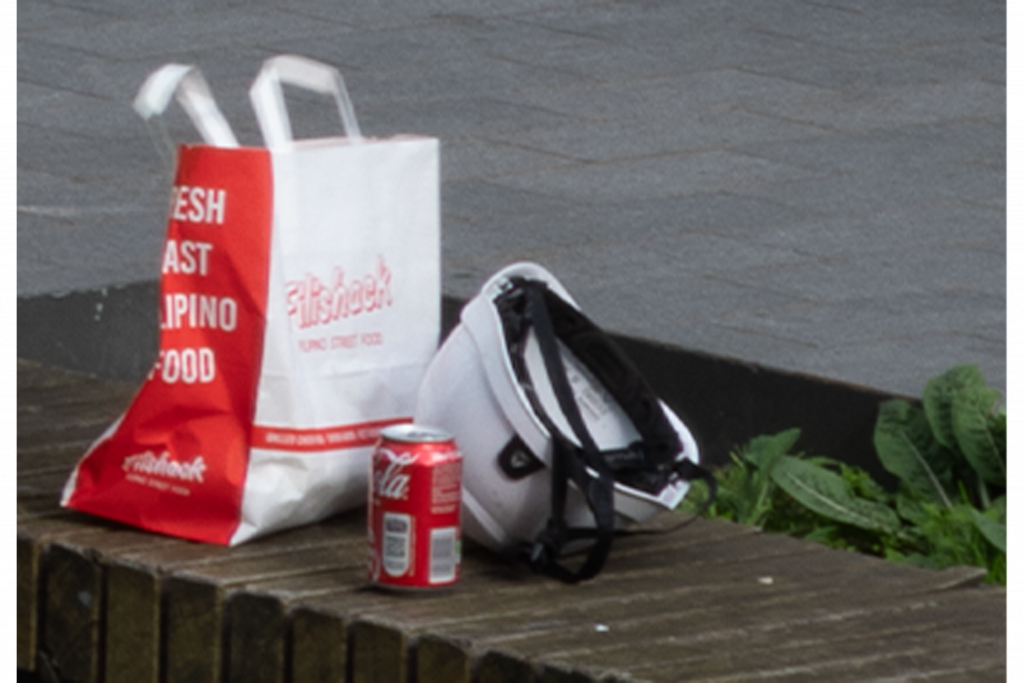
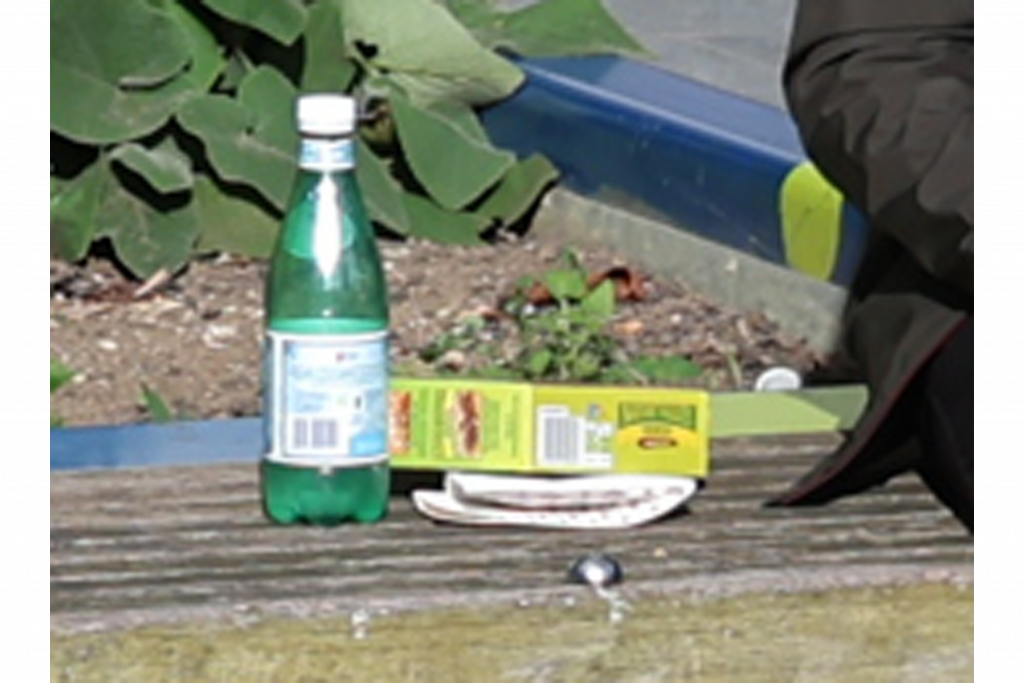
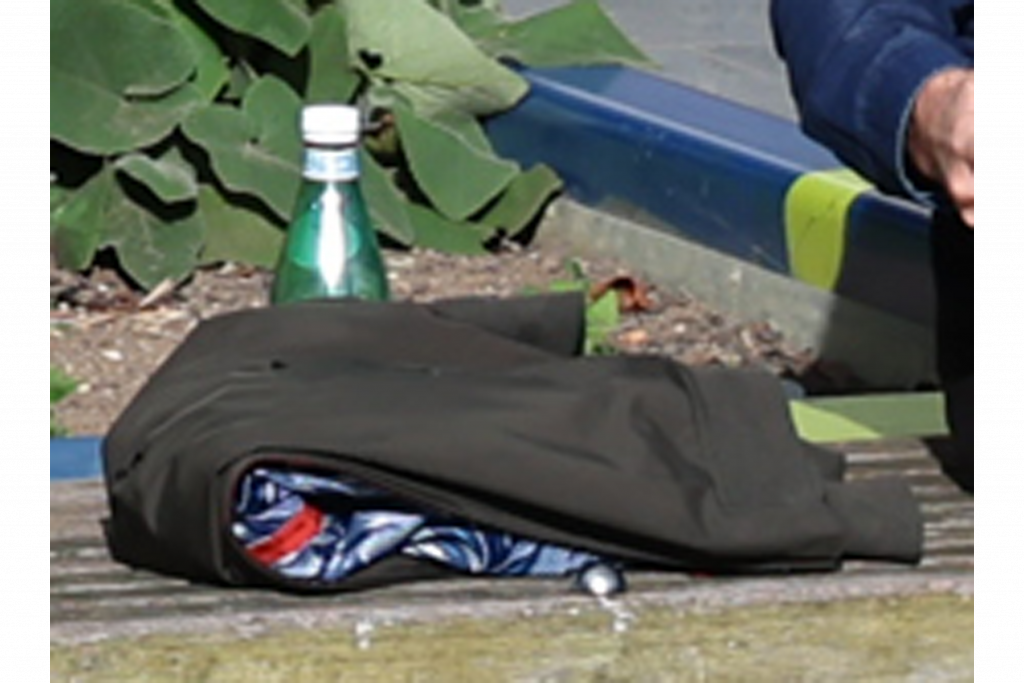
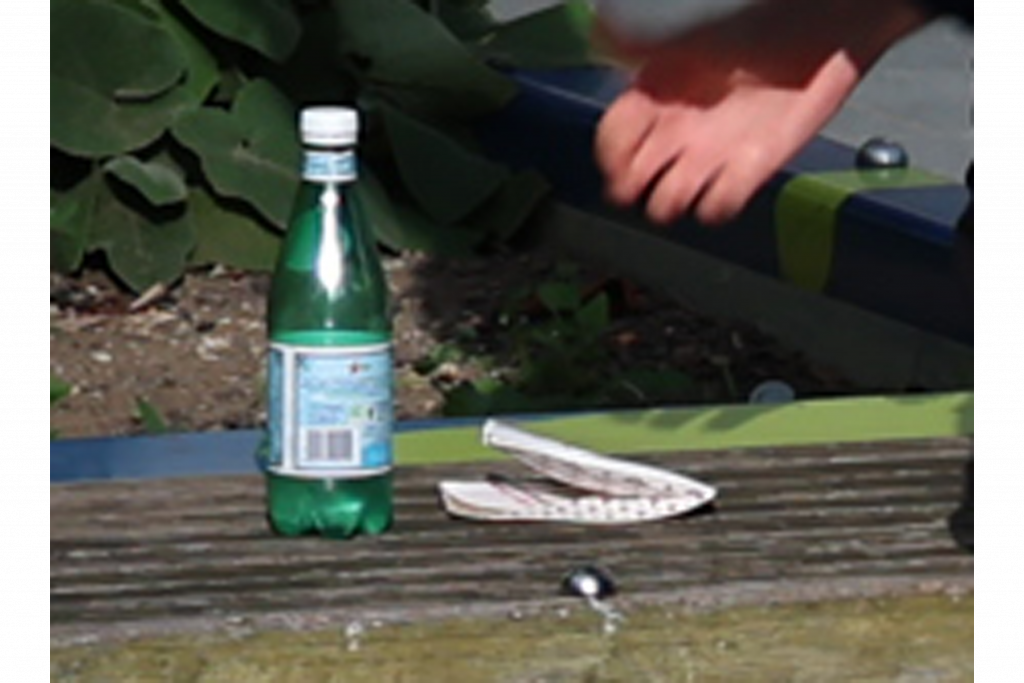
    During the second week, I shifted my focus from the bench itself to the objects that appeared and disappeared on it.
    Bottles, cans, coffee cups, and plastic bags seemed to follow their own rhythm of presence — sometimes staying for days, sometimes vanishing within hours.

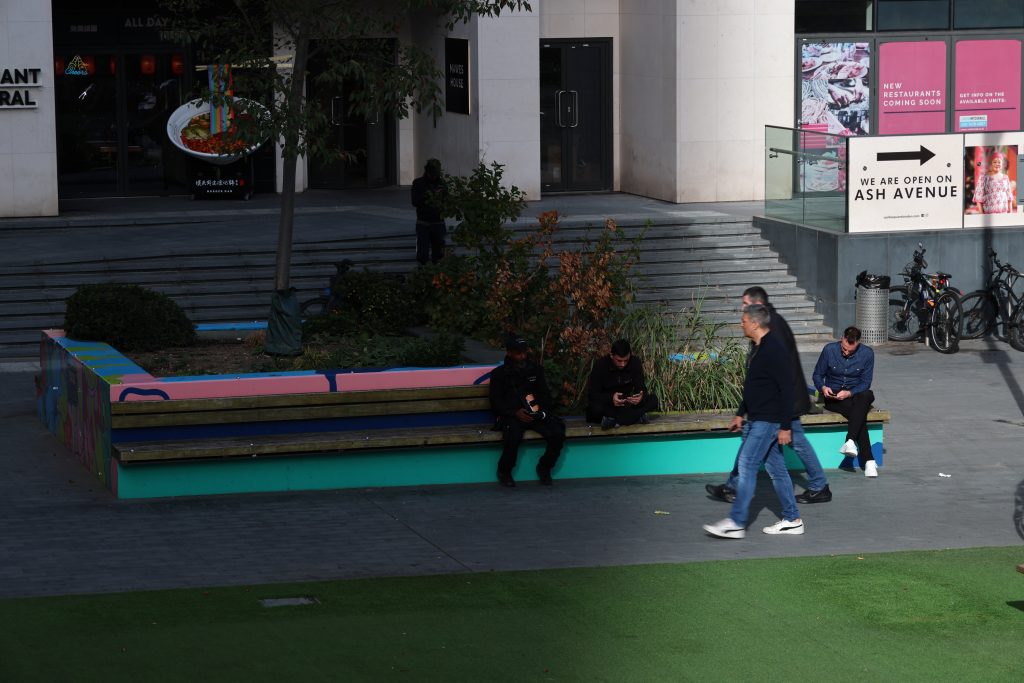
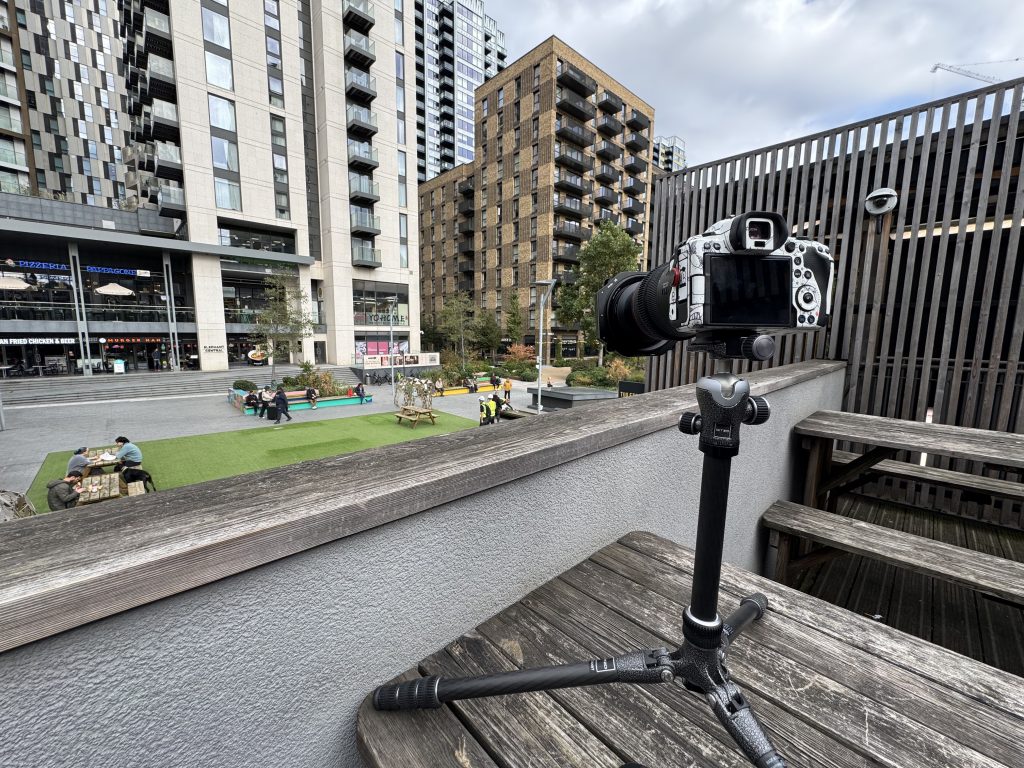
    I photographed the same bench from the same position repeatedly.
    Through this repetition, I noticed that these small objects told their own version of public life: who might have been there, what they were doing, or how long they stayed.
    Each object became a subtle record of time and interaction.

    I began to collect photographs over different times of day and different weather conditions, keeping the camera angle fixed.
    By layering these images digitally, I could start to see invisible rhythms — how traces accumulate, fade, and overlap.

    This method of repetition and comparison helped me understand photography not as a single “moment”, but as an accumulation of time.

    What interested me most was how absence could be visualized.
    Even when people were gone, their presence remained in traces — not only physical ones like litter or stains, but also through subtle shifts in atmosphere or light.

    This process made me think about the relationship between stillness and movement, and how photography can record the invisible flow of time in public space.

    Next, I plan to experiment with visual layering and motion — combining multiple moments into a single frame or short video.
    This will allow me to express the sense of time passing not through movement, but through overlap and density.

  • Unit 1: Methods of Investigation / week 001


    FRI, SEP 26, 2025

    On The First Week:

    At the beginning of this project, I wanted to explore how people interact with public space — how traces of daily life accumulate, disappear, and return.
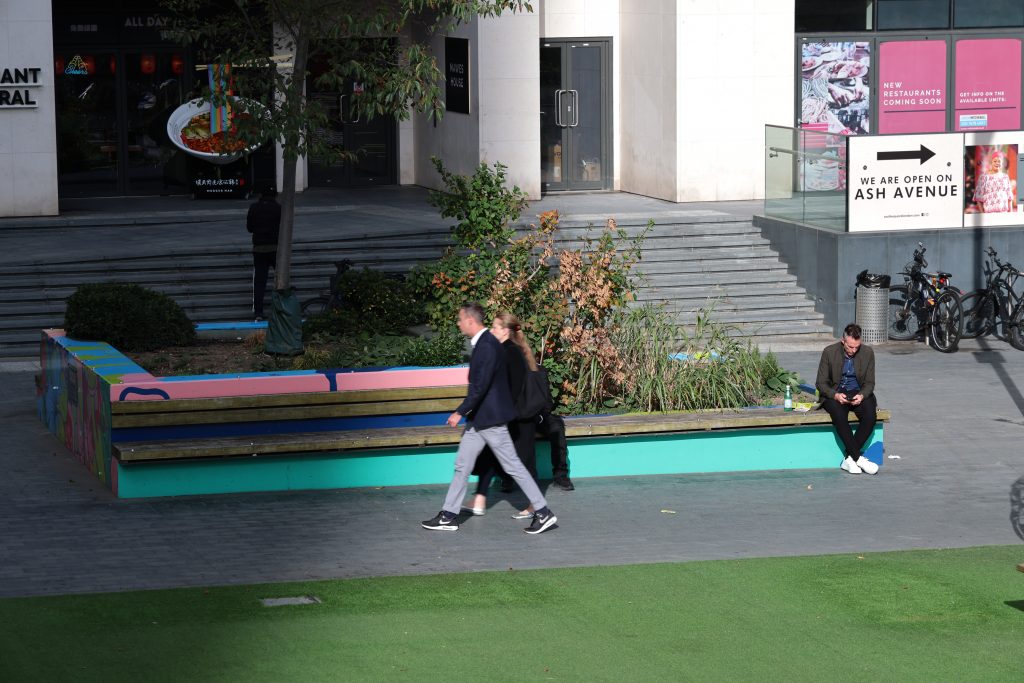
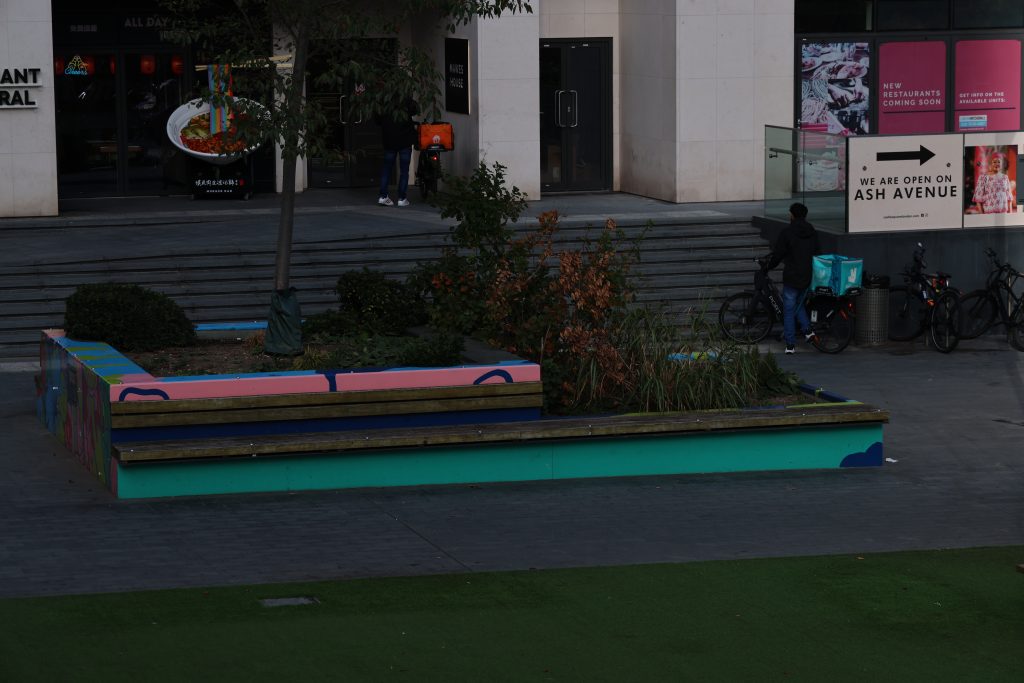
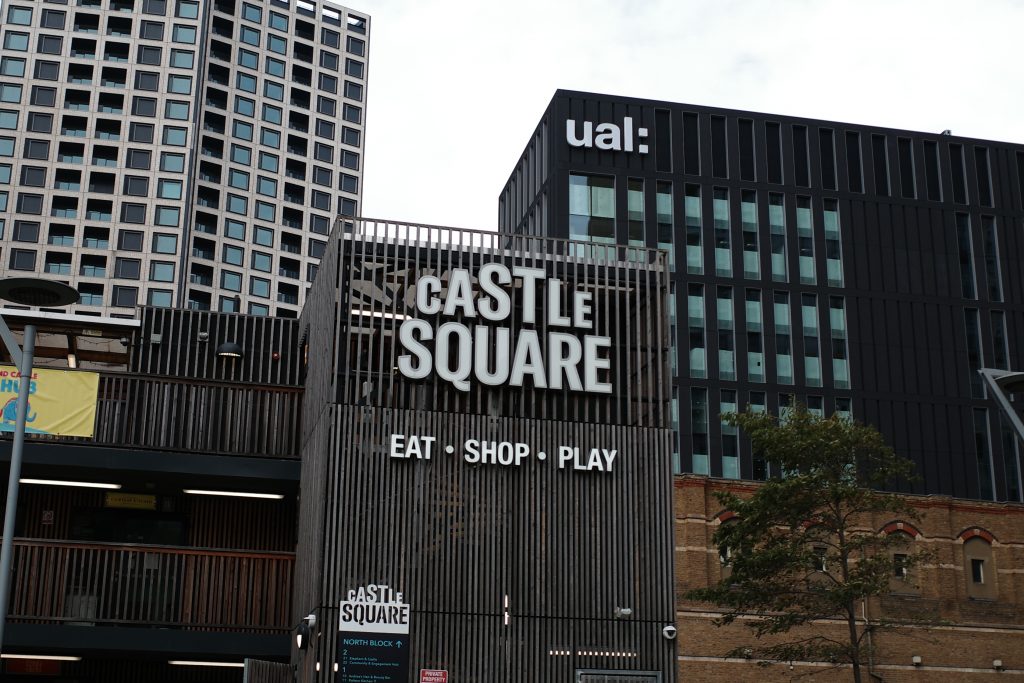
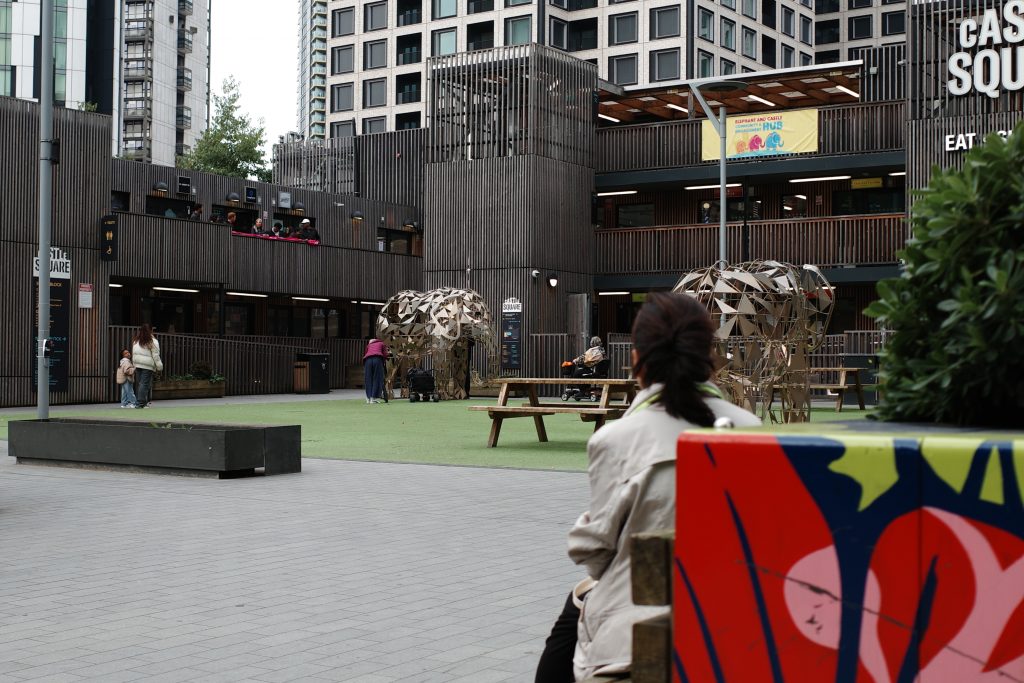
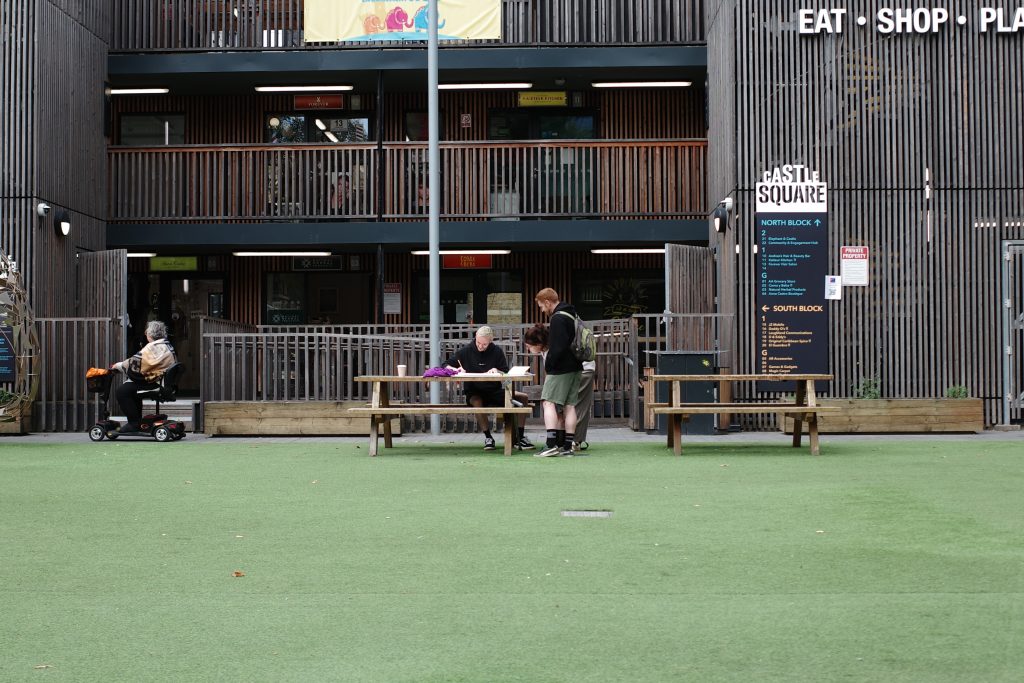
    So i chose a “bench” in Elephant and Castle as my main observation site.
    It is a place that constantly receives and loses people: some sit only for a few seconds, others stay longer; every visitor leaves a mark, visible or invisible.

    The bench

    During the first few visits, I focused on the bench’s surroundings — how people used it, what time of day it was busy or empty, and what remained after people left.
    I started taking photographs from the same angle each time, trying to capture small differences.

    At first, I was simply recording movement and presence.
    But soon, I noticed that even without people, the bench still told stories — through objects left behind, shadows, or wear marks.

    This made me realize that observation is not only about looking at events, but also about noticing what remains after they end.
    The bench became a quiet stage where traces of time appeared and faded — a small but rich system of evidence about public life.

    Next week, I plan to focus more closely on the objects left behind — such as bottles, bags, or wrappers — and study how they change over time.
    These traces may reveal patterns of human activity that cannot be seen directly.