WED, NOV 12, 2025
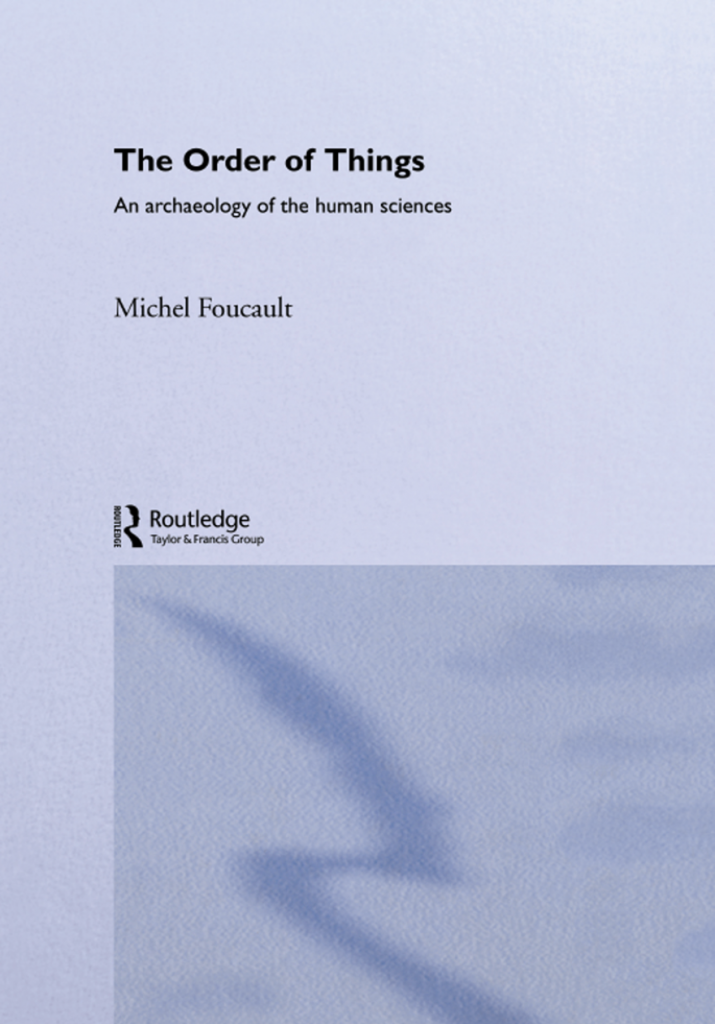
In this response, I selected Michel Foucault’s The Order of Things and represented its main ideas through the form of Conditional Design Manifesto.
Foucault discusses how knowledge and meaning are not fixed, but organized by systems of classification that change through history.
What we think we “know” is not only about truth, but also about how things are arranged — the hidden logic behind language and categories.
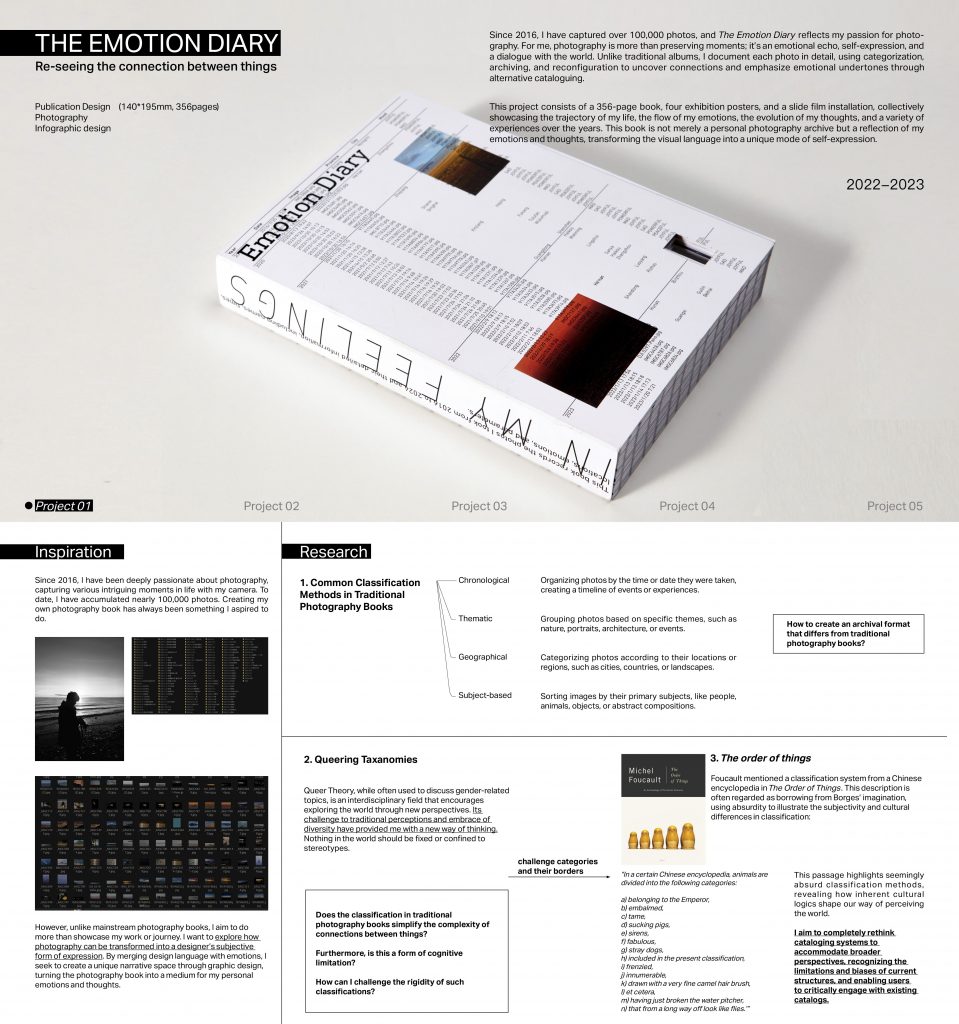
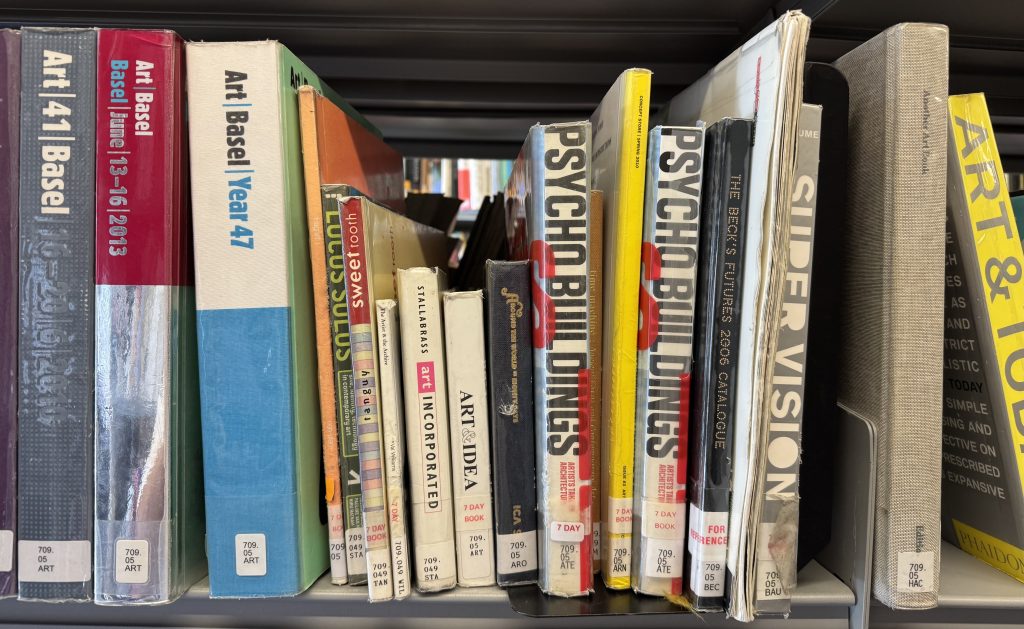
I was drawn to this because my project also deals with systems of organization.
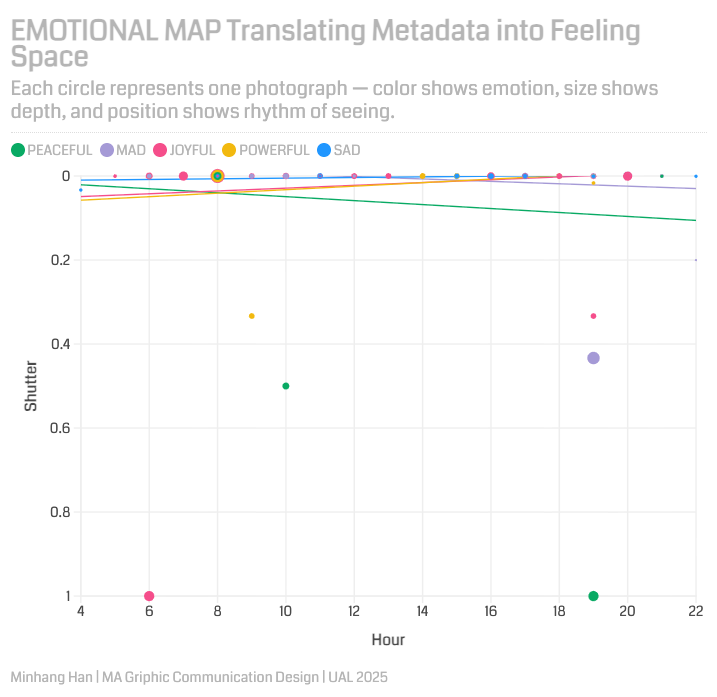
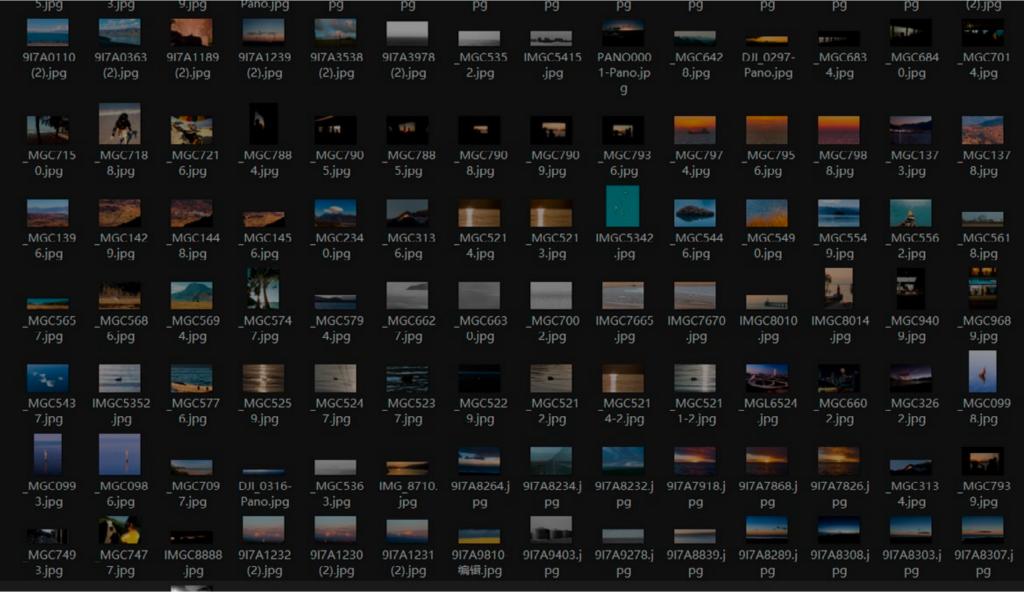
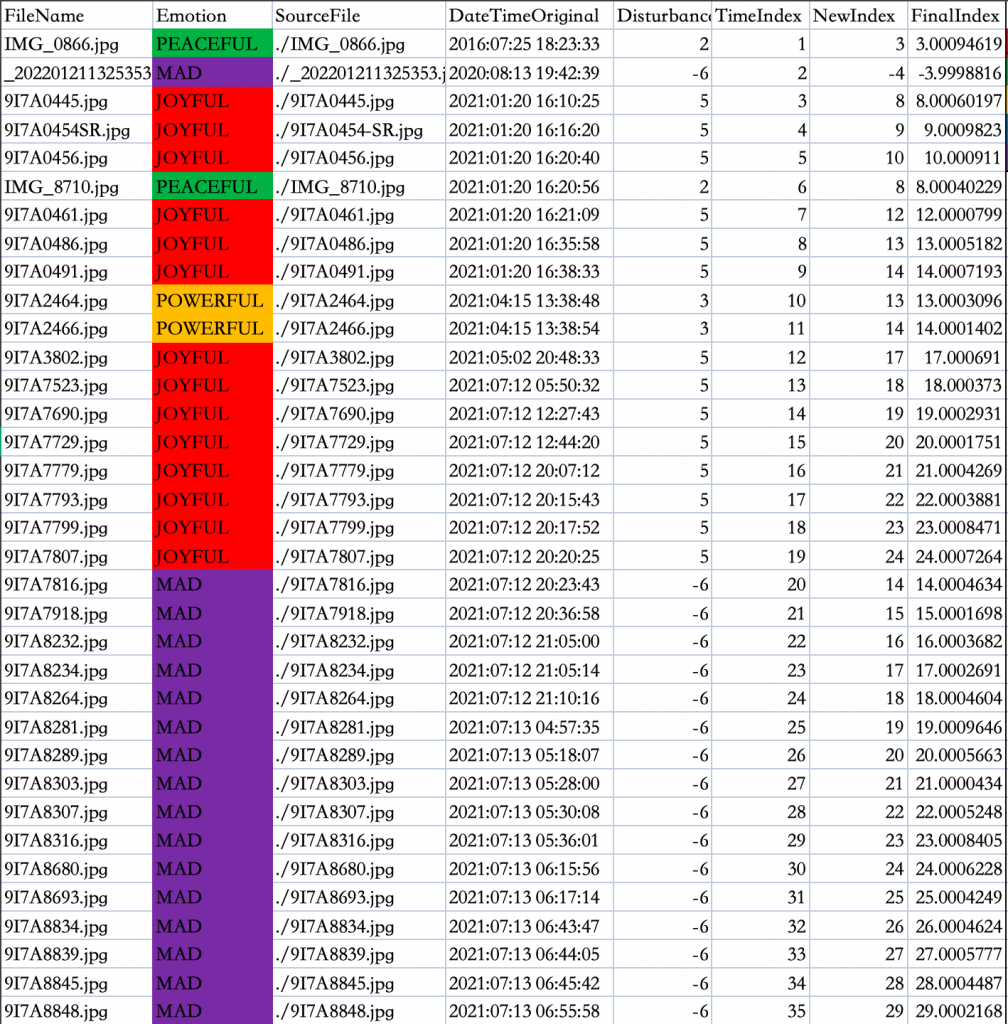
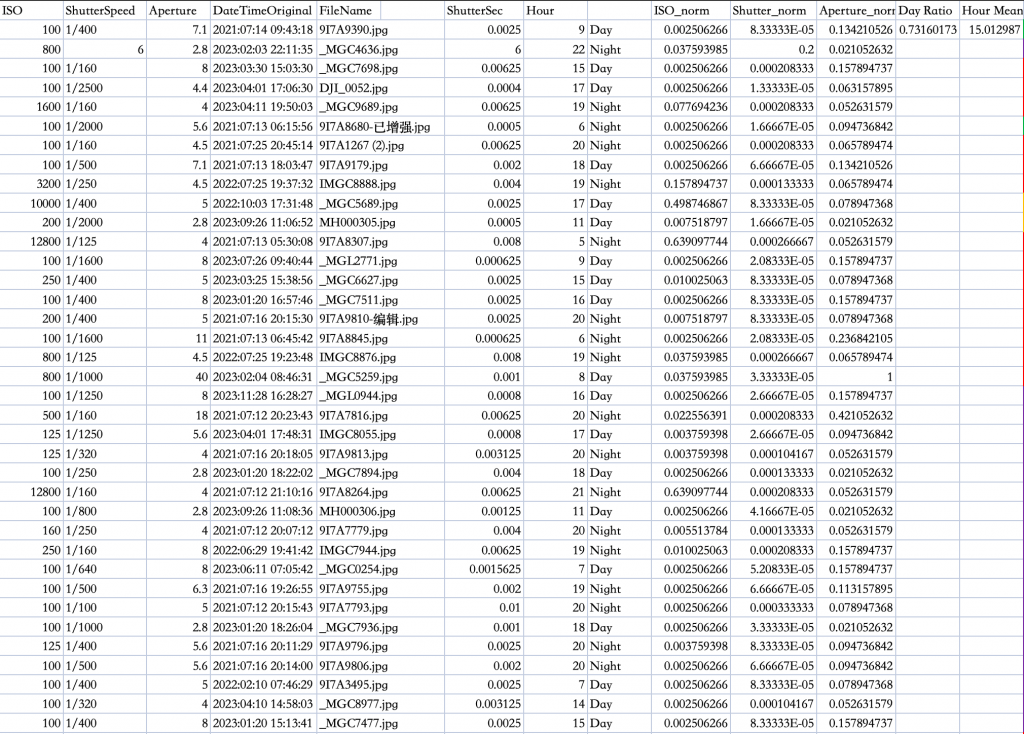
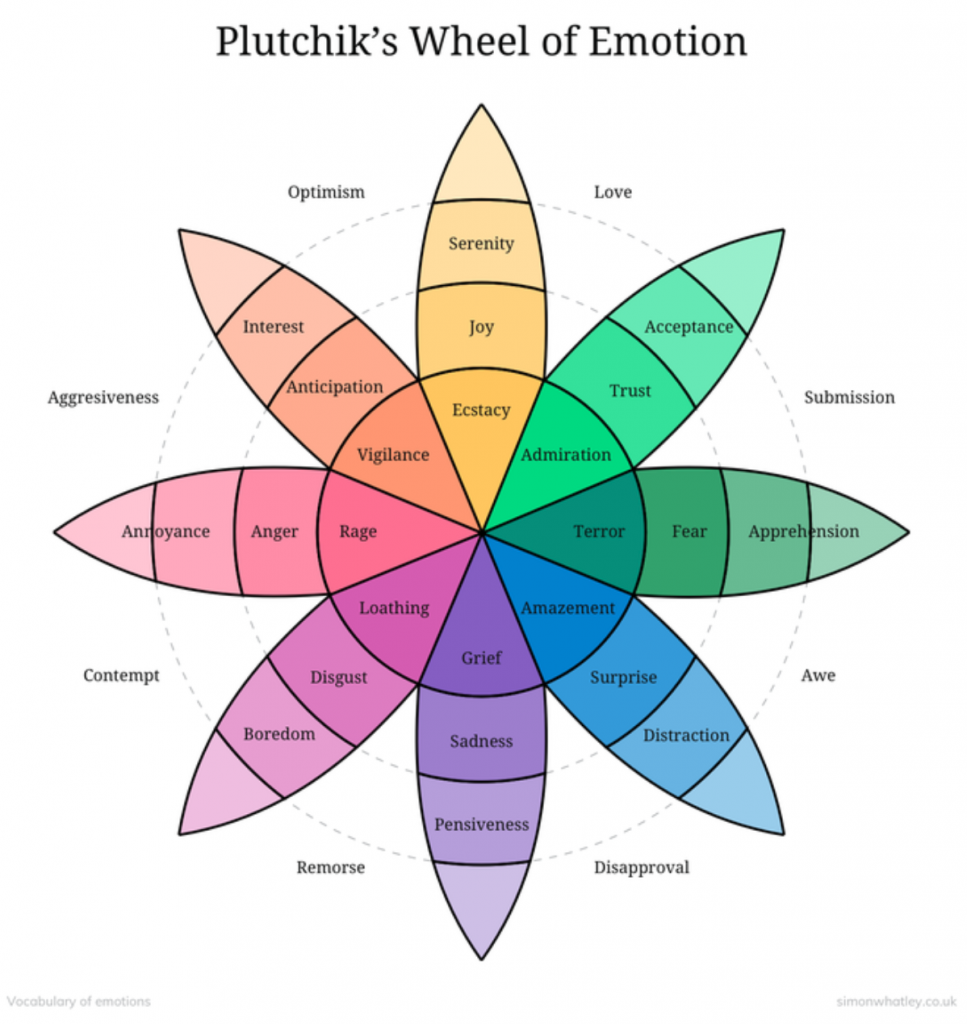
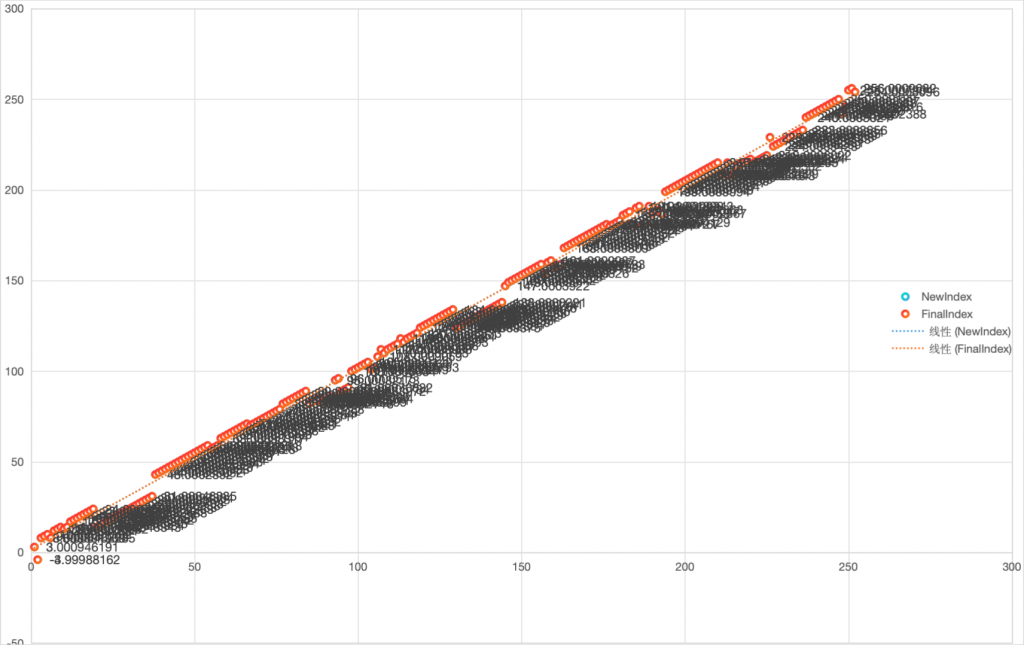
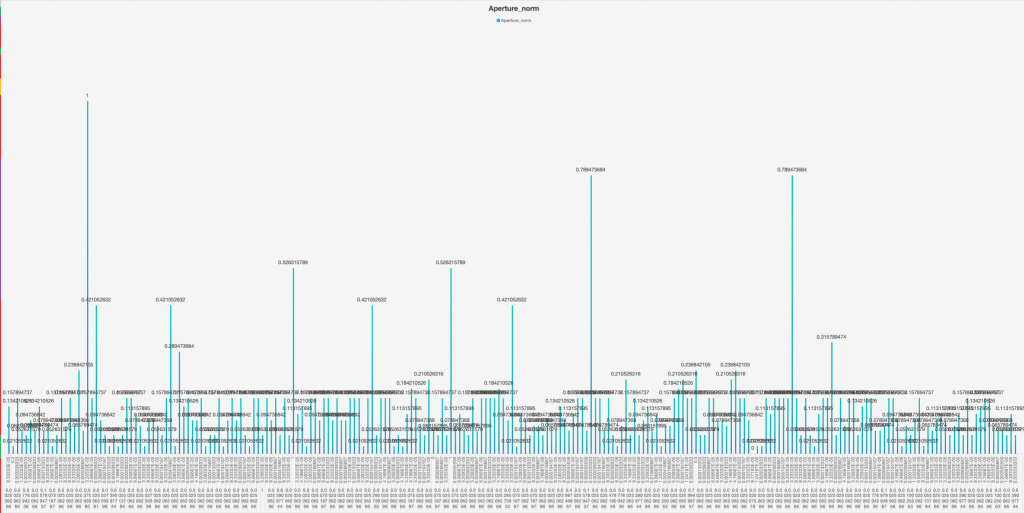
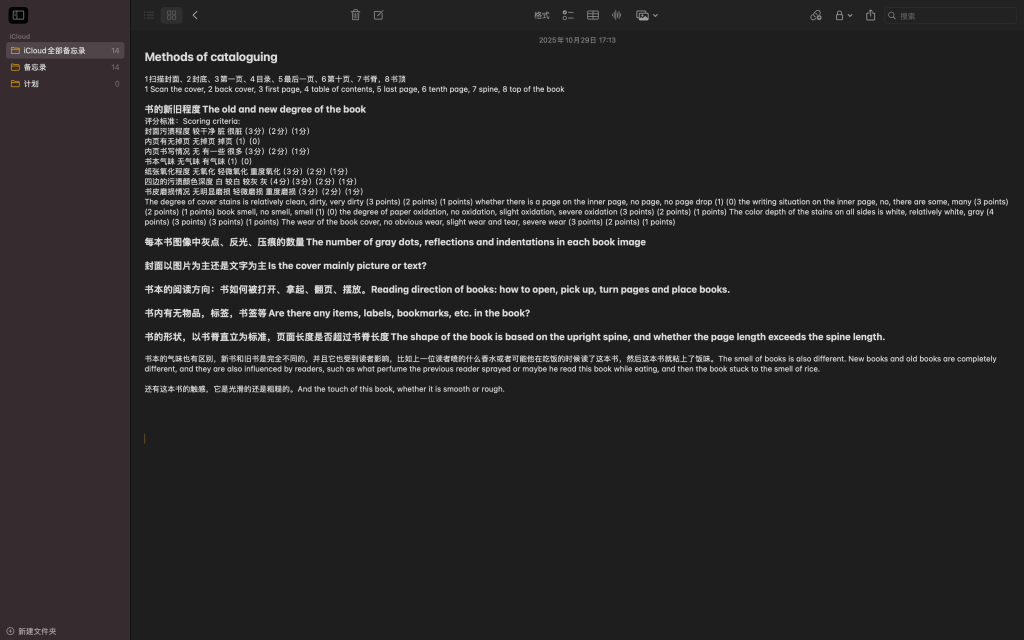
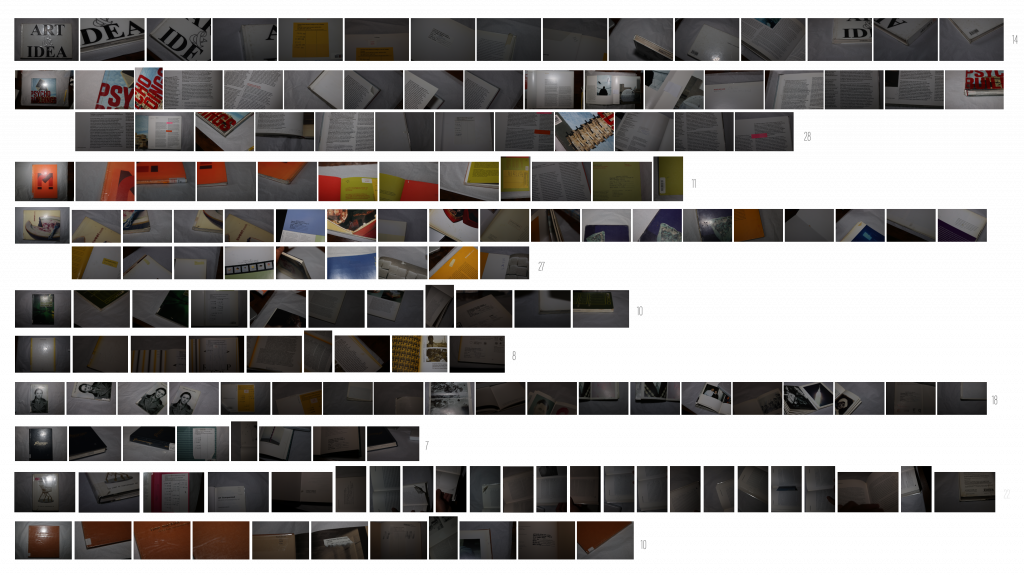
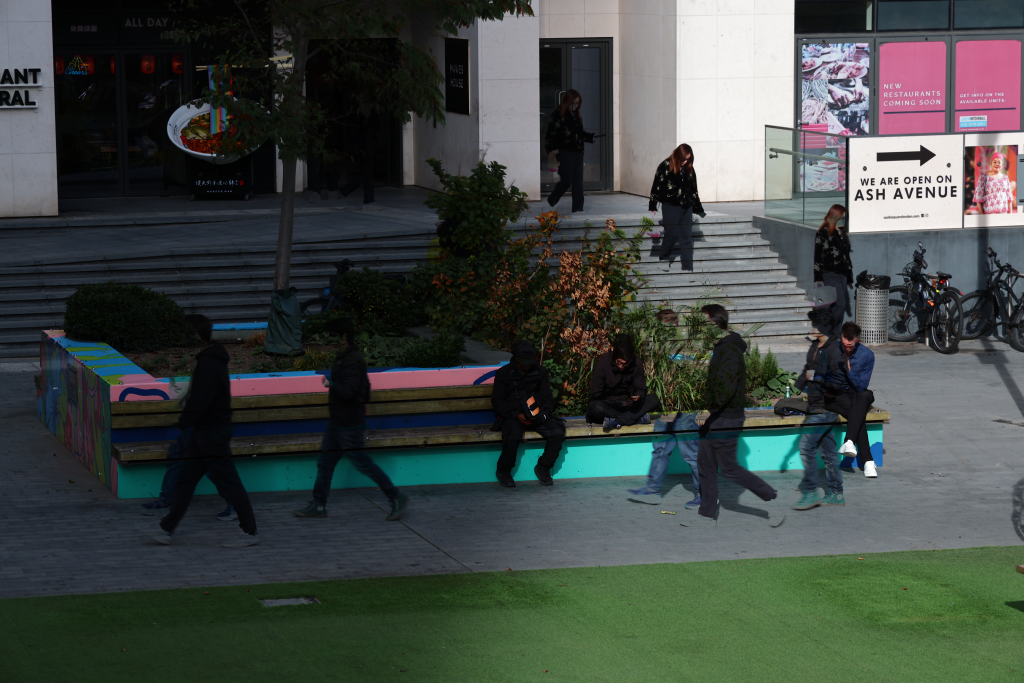
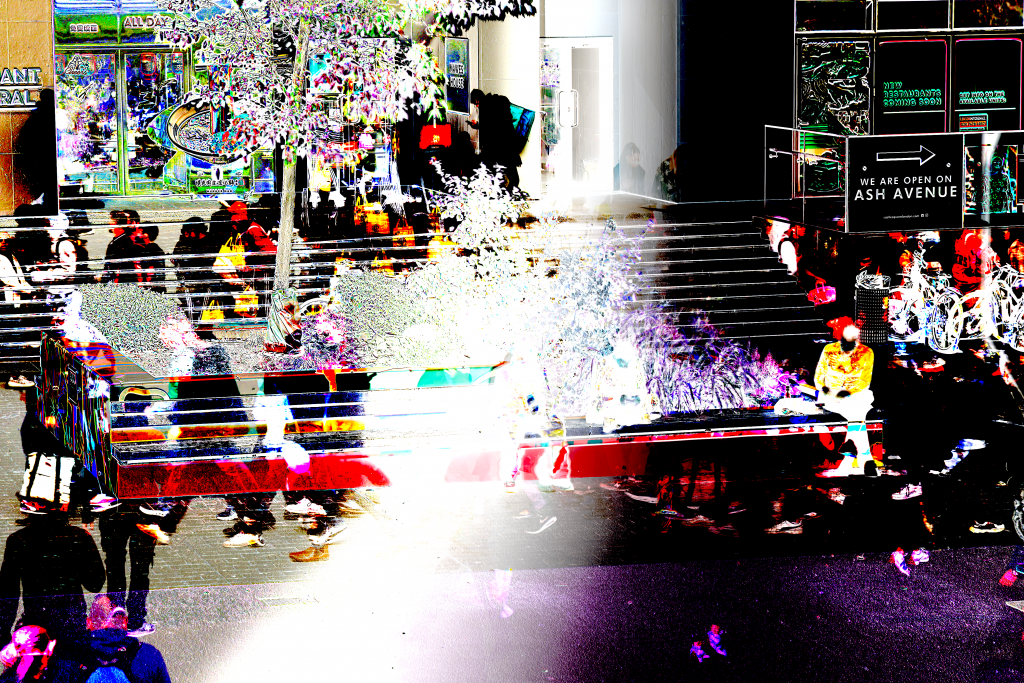
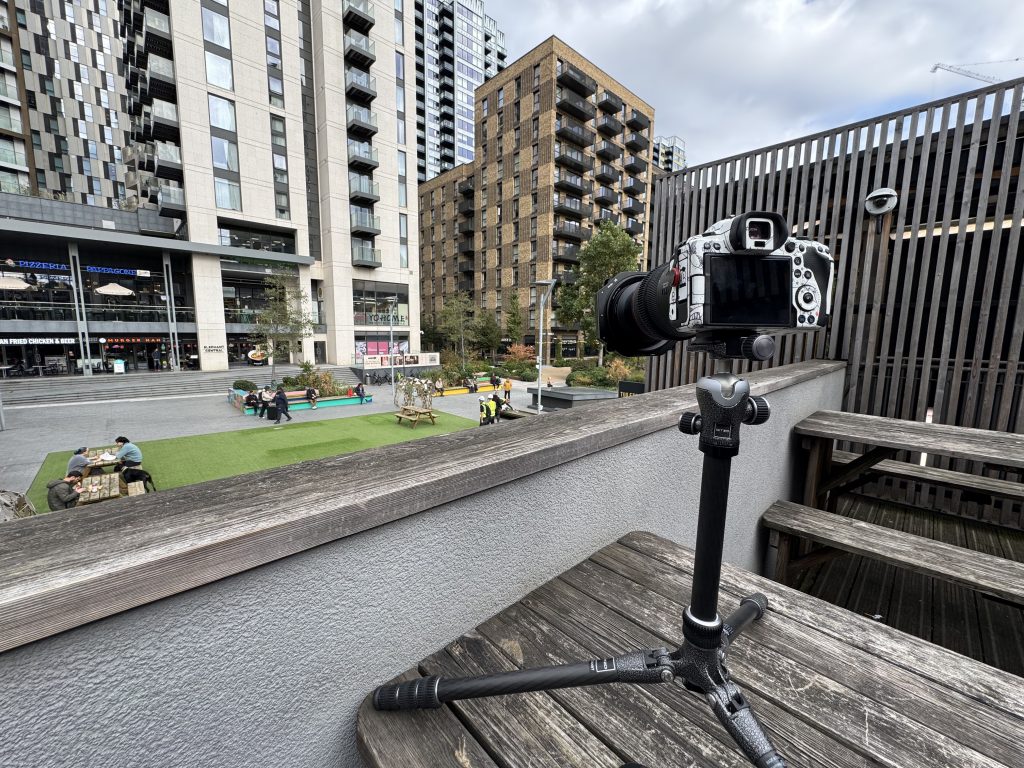
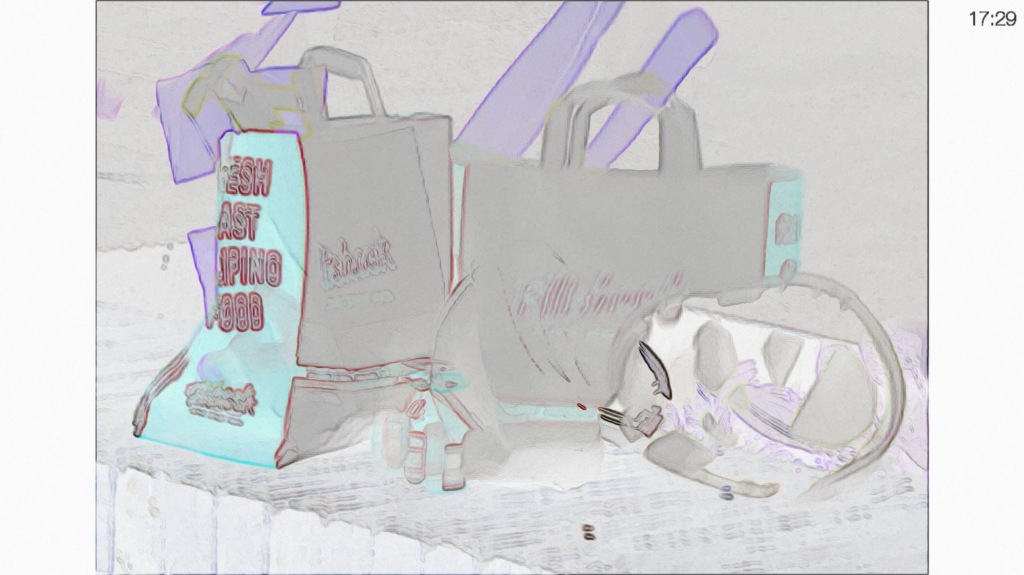
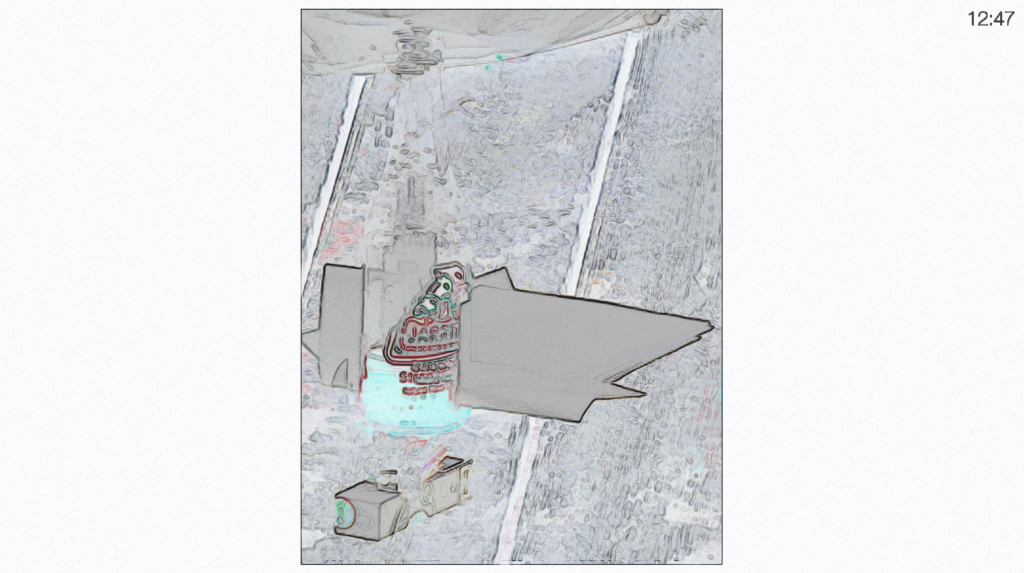
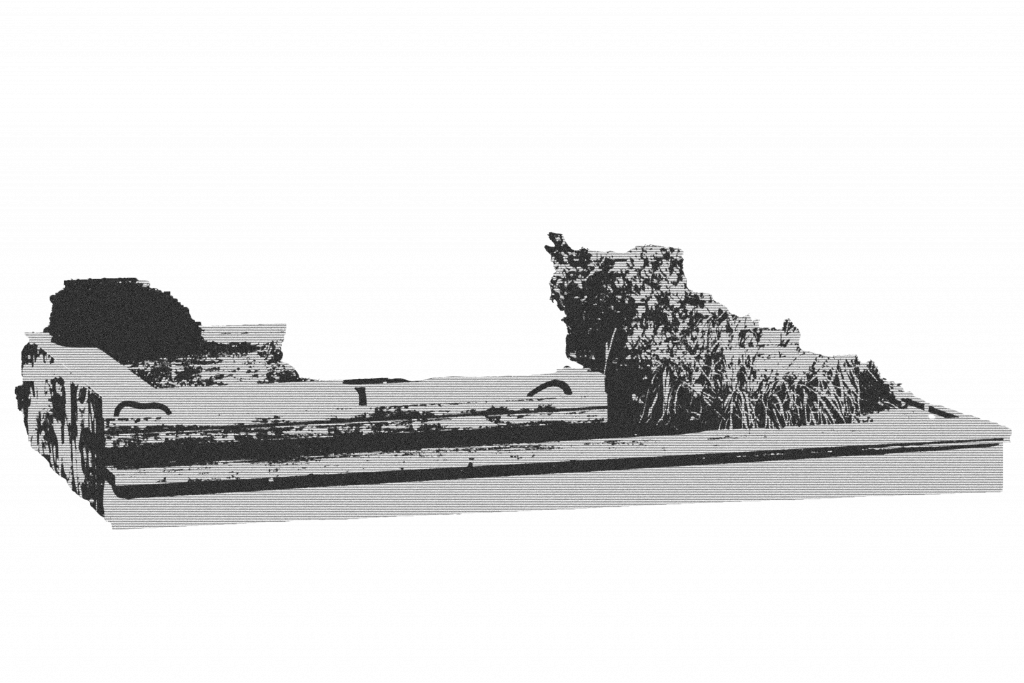
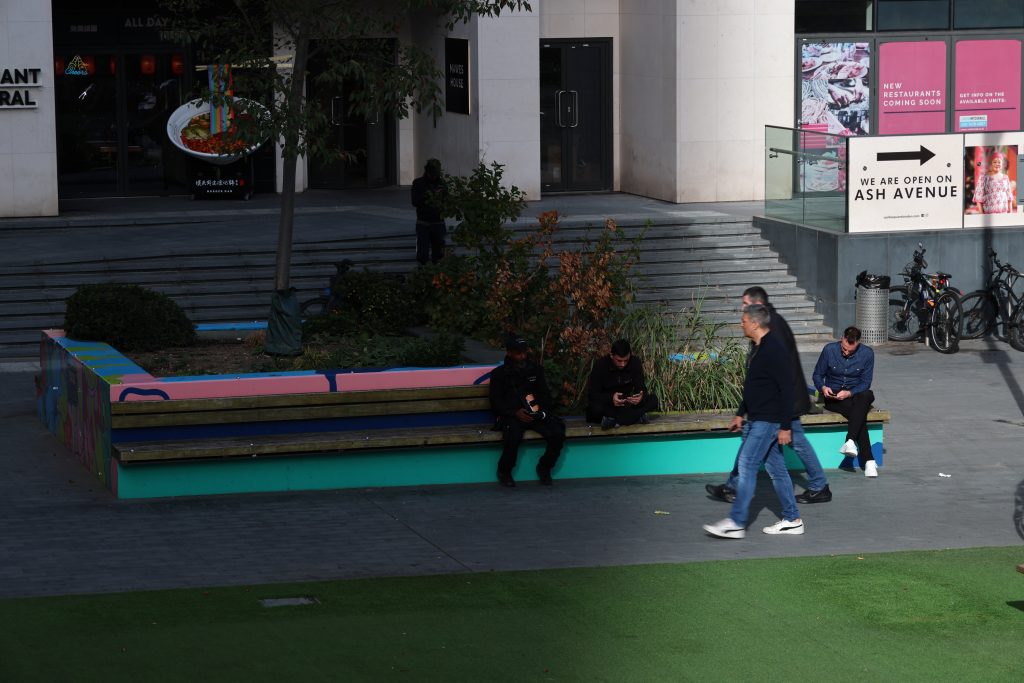
By collecting and analysing the metadata of my own photographs — ISO, shutter speed, aperture, and time —I tried to see how emotion could be understood as a form of order.
In a sense, I was doing what Foucault described: not discovering emotion itself, but creating a framework that allows emotion to appear.
To translate The Order of Things, I used the method of Conditional Design Manifesto,which turns abstract theory into simple design rules.
Instead of writing in philosophical language, I rephrased Foucault’s ideas as guiding principles for creative practice.
For example: “We classify not to define, but to feel” and “To understand is not to control, but to resonate.”
These short statements helped me reimagine how systems — even mechanical ones like metadata —can contain traces of emotion, personality, and sensitivity.
This approach made me think about writing and design as parallel forms of translation.
Foucault built a system to explain knowledge;I built one to explore feeling.
Both are ways of turning invisible structures into visible experiences.
By rewriting theory as a set of creative conditions,I found that data can be poetic,
and that structure itself can express emotion.
In the end, I learned that translation is not only about language,but also about how we organize experience.
Through this experiment, I discovered that emotion, data, and design are not separate —they are different ways of arranging the world and understanding ourselves.
References
Foucault, M. (1966). The Order of Things: An Archaeology of the Human Sciences. London: Routledge.
Blauvelt, A., Klanten, R., et al. (2008). Conditional Design Manifesto. Rotterdam: Graphic Design Museum.